
A new home gives you the rare opportunity to choose not only where you live, but how you will live from the first day. For buyers considering Northumberland, knowing how to buy a new build means looking beyond the kitchen specification or the view from the garden. It means understanding the location, the developer, the purchase timetable and the long-term qualities that make a home feel right for years to come.
Whether you are moving closer to family, seeking more space, downsizing to a considered flat or choosing a coastal base near Bamburgh, a clear approach will help you buy with confidence.
Begin with the place, not just the property
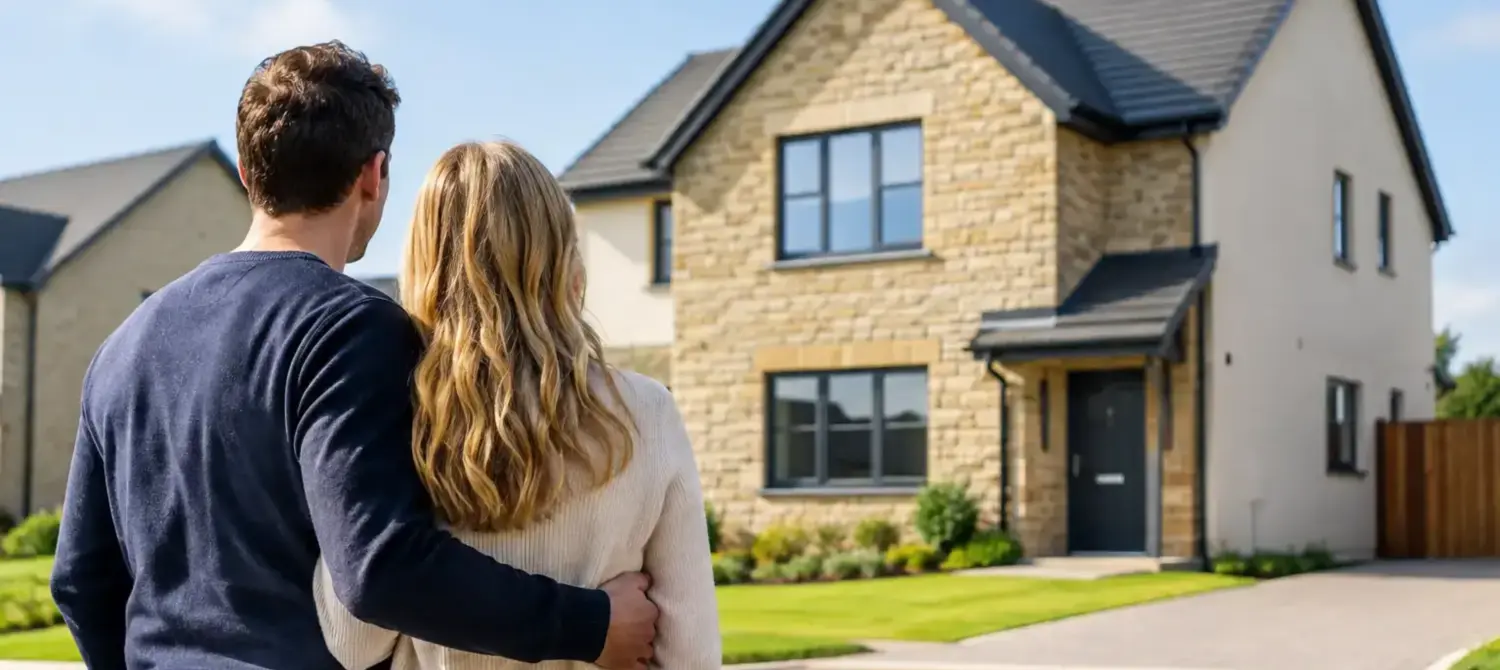
A home can be beautifully finished, but its setting shapes everyday life. Before narrowing your search by bedroom number or budget, consider what you want your week to look like. A town-centre flat in Morpeth may offer independent shops, rail connections and restaurants within easy reach. A family home in a Northumberland village may bring a stronger sense of community, countryside walks and room for children to grow.
Visit at different times of day where possible. Drive the route to work, walk to the local amenities and spend time in the streets around the development. In coastal and rural locations, think about the practicalities as well as the romance: winter journeys, broadband provision, parking and the distance to schools, healthcare and food shopping all matter.
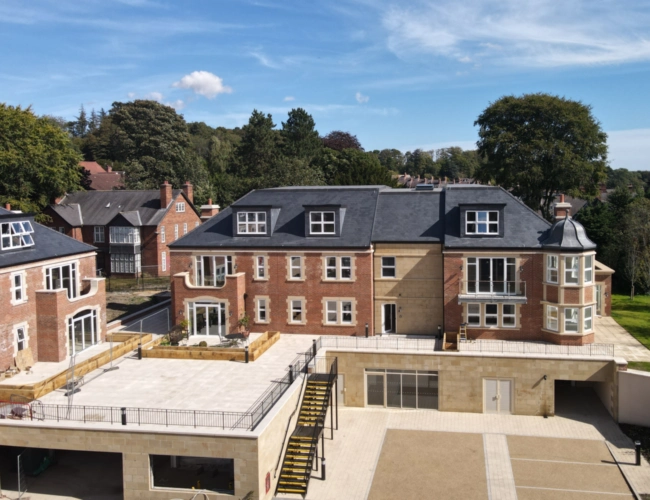
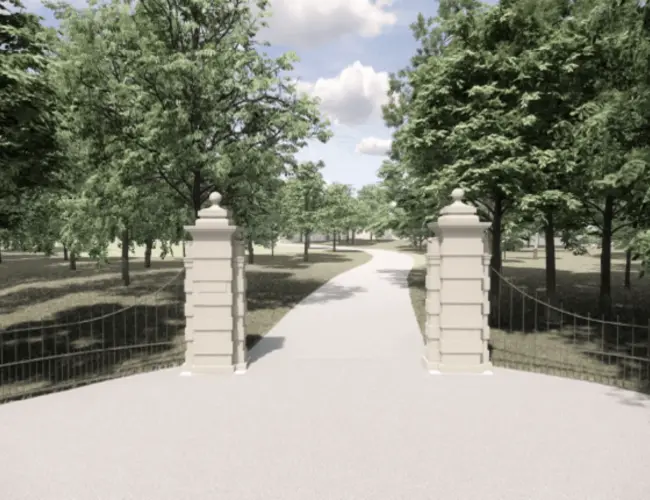
It is also worth considering how a development sits within its surroundings. Materials, rooflines and landscaping should feel appropriate to the village, market town or coastal setting. Stone-built exteriors and traditional proportions can give a new home a reassuring sense of permanence, while contemporary insulation, heating and layouts support modern living.
Set a realistic budget before reserving
Your budget is more than the purchase price. Speak with a mortgage adviser early, ideally before viewing homes seriously, to establish what you can borrow and what monthly repayments feel comfortable. A lender will assess your income, outgoings, deposit and credit history, but your own calculation should leave room for the life you want to lead after moving.
Factor in the costs around the purchase: solicitor's fees, surveys where required, removals, insurance, mortgage arrangement fees and any stamp duty due. If you are buying a flat or a home on a managed development, ask about service charges, estate management arrangements and the services they cover. These charges can be entirely reasonable, particularly where landscaped communal areas or private roads are maintained, but they should be understood before you commit.
New-build homes can be more energy efficient than older properties, which may help with ongoing running costs. Even so, ask for clear information about the heating system, predicted energy performance and any maintenance requirements. Lower energy use is valuable, but it should not distract from the wider affordability of the purchase.
Choose a developer with care
The developer is central to the experience of buying a new build. Look beyond brochures and finishes to understand their approach to design, build quality and aftercare. A smaller, place-led developer may offer a more personal buying journey and a development that responds closely to local character, while a larger builder may have a broader range of available plots and purchase schemes. Neither is automatically right for every buyer.
Ask how the homes are constructed, which warranty provider is used and what is included as standard. Request a detailed specification rather than relying solely on a show home, which may contain upgrades. Clarify the kitchen appliances, flooring, tiling, wardrobes, external lighting, turfing, fencing and electric vehicle charging provision. Small assumptions are often where disappointment begins.
At Ida Homes, the focus is on considered homes that pair contemporary features with the architectural language of Northumberland. That distinction is most meaningful when it can be seen in the materials, proportions and setting of the finished development, not simply described on a plan.
View the home with practical questions in mind
A show home is designed to help you imagine life there, and it should. Notice the natural light, ceiling heights, storage and how the rooms connect. Then take a more practical second look. Could the dining space accommodate the table you already own? Is there room for coats, boots, prams or sporting equipment? Where will bins be stored? If you work from home, is there a quiet, usable place for a desk?
If your chosen home is not yet built, ask to see the plans, site layout and, where available, a similar completed property. Check the orientation carefully. A south-facing garden may be appealing, while a home overlooking open land may offer a wider outlook, but consider future phases of the development and any nearby planning proposals too.
For a flat, ask about the position within the building, lift access, private or allocated parking, cycle storage and shared entrances. For a house, examine the garden dimensions, boundary treatments and the relationship to neighbouring homes. The right plot can matter as much as the right house type.
Understand the reservation and legal timetable
Once you have found the right home, you will usually pay a reservation fee to take it off the market for an agreed period. Read the reservation agreement closely. It should set out the fee, how long the reservation lasts, the anticipated exchange deadline, what is refundable and any circumstances in which deductions may be made.
In many new-build purchases, exchange of contracts is expected within around 28 days, although the precise period varies. Appoint a solicitor or conveyancer experienced in new-build transactions as soon as you reserve. They will review the contract, title, planning documentation, warranty arrangements, management information and any restrictive covenants.
Your solicitor should also explain whether the completion date is fixed or dependent on the home being ready. Buying off-plan can provide more choice of plot and, sometimes, finishes, but it requires patience. Build programmes can move because of weather, supply chains, inspections or final utility connections. Ask how progress will be communicated and whether the contract includes a long-stop date, which is the latest date by which completion must take place.
Secure your mortgage at the right point
A mortgage agreement in principle is useful when you begin searching, but you will need a full mortgage offer before exchange. New-build purchases need careful timing because mortgage offers have expiry dates, while homes under construction can take longer than expected to complete.
Tell your lender and broker from the outset that you are buying a new build. Some lenders apply particular loan-to-value requirements, especially where the property is a flat. The lender will arrange a valuation, which is not the same as a detailed survey. Although a brand-new home should not need the type of survey often recommended for an older property, you may still choose an independent inspection for additional reassurance.
If you are selling an existing home, be realistic about the chain. A part-exchange or assisted-move arrangement can simplify the process for some buyers, but it may not deliver the highest possible sale price. Selling independently may offer more control over price, yet introduces the risk that your buyer's timescale does not align with the new-build completion date. The best route depends on certainty, equity and your appetite for managing a chain.
Inspect carefully before completion
As completion approaches, arrange a pre-completion visit if the developer offers one. This is your opportunity to check that the agreed specification has been delivered and to identify visible snags. Look at paintwork, joinery, doors, windows, tiling, appliances, sockets, sanitaryware and external areas. Test what you reasonably can and take notes or photographs.
Snagging is not about expecting perfection from every surface. New homes are built by skilled people, but minor items can arise during the final stages of construction. What matters is that issues are recorded clearly and addressed through an organised aftercare process. Keep copies of correspondence, warranties, instruction manuals and meter readings from the day you receive the keys.
Your solicitor will normally request the completion funds, confirm legal completion and arrange for you to collect the keys. Before moving day, organise buildings insurance from the point required in your contract, book removals and notify the relevant utility providers and local authority.
Make decisions that will still feel right later
The best new-build purchase is not always the largest home or the plot with the longest list of upgrades. It is the one that supports the way you intend to live, while retaining the quality of setting and construction that will matter when circumstances change.
Take time with the questions that cannot be altered after completion: the village or town, the journey to the people you care about, the outlook, the light and the character of the street. A well-chosen home in Northumberland should give you a practical base for daily life and a lasting connection to the county beyond your front door.