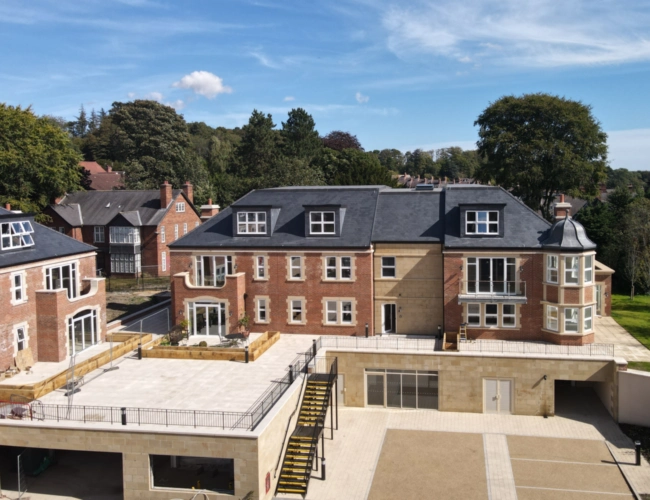
A well-positioned flat can offer a wonderfully manageable way to enjoy Northumberland life: morning walks beside the River Wansbeck, independent shops and cafés close by, and the reassurance of a home designed for easier everyday living. Yet the purchase price is only one part of the decision. Flat leasehold costs should be understood clearly before you reserve a home, so that the lifestyle and the long-term outlay feel equally well considered.
For many buyers, leasehold ownership is straightforward and entirely suited to living in a flat. It provides ownership of the individual flat, while the building and shared areas are managed collectively. The detail lies in understanding what you will pay, when you will pay it and how those funds protect the quality of the building over time.

What does leasehold ownership mean for a flat?
When you buy a leasehold flat, you own the property for a defined number of years set out in the lease. You also hold rights and responsibilities relating to the building’s communal elements, which may include the entrance hall, lifts, roof, external walls, gardens, car park and shared services.
The freeholder owns the building and land, although the practical management may be carried out by a managing agent or, in some developments, a residents’ management company. Your lease sets out how the building is maintained, how costs are shared and what you may need permission to do, such as making substantial alterations or keeping a pet.
A lease is not simply a legal document to file away after completion. It is the framework for living well alongside other residents. In a carefully designed block of flats, good management helps preserve the appearance, safety and value of the homes within it.
The flat leasehold costs to allow for
Costs vary between developments. A small conversion with a shared entrance will have different demands from a larger contemporary block of flats with landscaped grounds, a lift and secure parking. The most useful approach is to consider each charge in context rather than judge it by its headline figure alone.
Service charges
The service charge is usually the principal ongoing cost. It pays for the day-to-day running and maintenance of shared parts of the development. Depending on the building, this can include cleaning and lighting of communal areas, grounds maintenance, building insurance, lift servicing, fire safety systems, managing agent fees and routine repairs.
Service charges are commonly paid annually or in instalments. The seller or developer should provide an estimated budget before purchase, showing how the charge has been calculated. For a new-build home, this is generally an informed forecast based on planned services and contracts. Once the building is occupied, actual expenditure may differ from the first-year estimate.
A higher service charge is not automatically a concern. It may reflect features that make flat living more comfortable and secure, such as attractive communal landscaping, a lift or attentive building management. Equally, a low charge deserves a closer look if it appears insufficient to maintain the building properly. The question is whether the budget is sensible for the services provided.
Ground rent
Ground rent is a payment made to the freeholder under some older leases. Many newly granted residential leases are now subject to a peppercorn ground rent, meaning no meaningful annual payment is due. However, the position depends on the date and terms of the lease, so buyers should always review it with their solicitor.
Where ground rent is payable, establish the amount, the review mechanism and when it is due. A modest fixed rent is very different from a rent that increases regularly under the lease. Clear advice at the outset prevents an unwelcome surprise later.
Reserve or sinking funds
Well-managed developments may collect contributions towards a reserve fund, sometimes called a sinking fund. This money is set aside for significant future expenditure, such as renewing a roof, repairing external stonework, redecorating shared areas or replacing mechanical equipment.
Contributing gradually can help avoid a large one-off bill when major work becomes necessary. In a heritage conversion, for example, the careful stewardship of historic fabric may call for specialist repairs at intervals. A reserve fund can be a sign of prudent long-term planning, provided the arrangements are transparent.
Major works and one-off demands
Not every building has sufficient funds set aside for larger repairs. If substantial work is needed, leaseholders may be asked to contribute through a separate demand. This is one reason why purchasers of an established flat should ask for recent service charge accounts, planned works and details of any consultation already underway.
The age, construction and condition of the building all matter. A handsome period property may have a very different maintenance profile from a newly completed block of flats. Neither is inherently better; each calls for an honest view of likely future care. In Northumberland, exposure to coastal weather, traditional stonework and mature landscaping can all influence maintenance requirements.
Administration and transaction fees
There can also be smaller charges at specific moments rather than every year. These may include a fee for registering a new owner or mortgage lender, providing a management information pack when you sell, or giving consent for an alteration where the lease requires it.
Ask for a schedule of known administration fees during the conveyancing process. They are unlikely to shape your decision in the way a service charge does, but knowing about them supports a more accurate moving budget.
Questions worth asking before you reserve
The paperwork matters, but so does the conversation. Before committing to a leasehold flat, ask how the development is managed, who makes decisions about maintenance and how residents are kept informed. A clear, responsive answer says a great deal about the standard of management you can expect.
You should also ask for the current service charge budget, the latest accounts where available, the balance of any reserve fund and details of planned major works. Confirm whether buildings insurance is included, whether parking or communal gardens carry separate charges, and whether the service charge is expected to change after the first year.
The remaining term of the lease is another central consideration. Longer leases are generally more straightforward for buyers and mortgage lenders. If you are purchasing a resale property with a shorter term remaining, your solicitor can explain the implications and the potential cost of extending it. This is an area where tailored legal advice is essential.
For a newly built flat, establish exactly what is included in the specification and where the boundary sits between your home and the shared building. This can be particularly useful when comparing two appealing homes with different levels of communal amenity.
Looking beyond the monthly figure
It is tempting to divide an annual service charge into twelve and view it only as a monthly addition to your mortgage. That is useful for household budgeting, but it does not tell the whole story. Consider what the charge supports: a well-kept entrance that makes returning home a pleasure, safe and attractive shared spaces, properly insured structure and a building cared for in a way that protects everyone’s investment.
For downsizers, this can be part of the appeal. The responsibilities of maintaining a large garden, roof or exterior are shared rather than carried alone. For professionals and second-home buyers, the practical benefit may be confidence that the building remains looked after while they are away. For investors, consistent management can support the long-term attractiveness of the property, although all costs should be weighed carefully against expected returns.
At Ida Homes, considered flat living begins with the setting as much as the home itself. Whether close to Morpeth’s town centre or within reach of Northumberland’s coast and countryside, a successful development needs a management structure equal to its architecture and location.
A leasehold flat should offer clarity as well as convenience. Take time to read the lease, test the figures against the services provided and ask direct questions before you proceed. When the costs are properly understood, you can focus on the more rewarding question: whether this is the home from which you want to enjoy your next chapter in Northumberland.