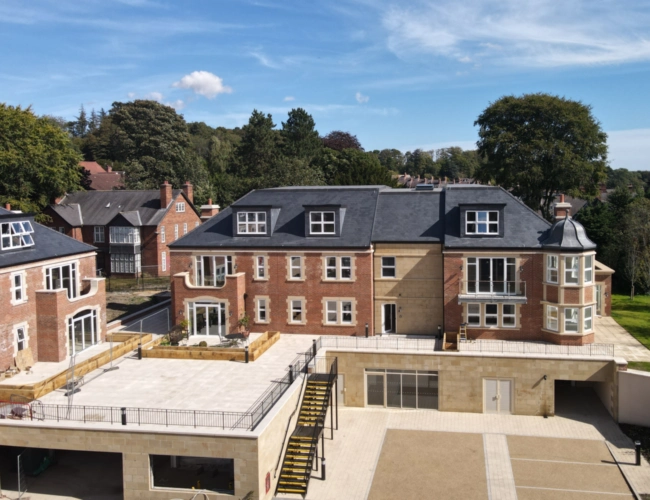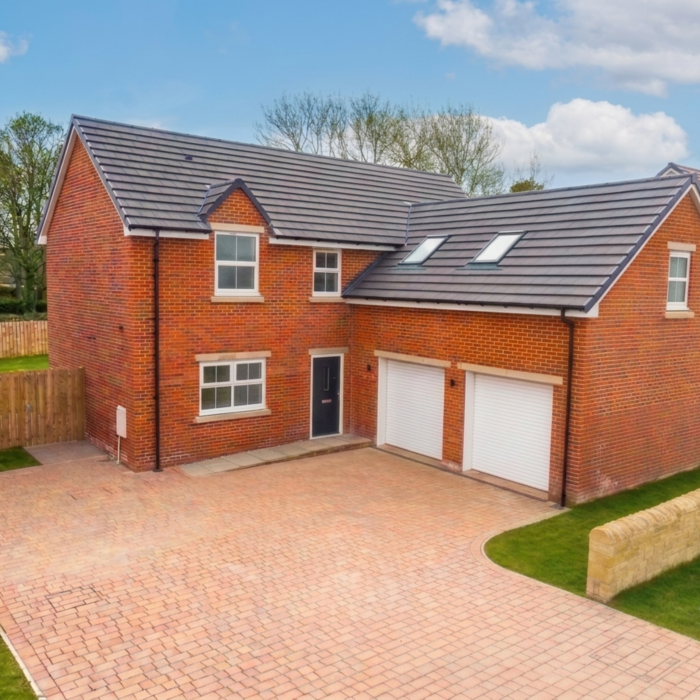
A home in Northumberland must feel comfortable in more than a summer breeze. From salt-laden coastal air near Bamburgh to brisk winter mornings in the Cheviot foothills, a property needs to hold its warmth, manage moisture and provide a dependable place to return to. So, are new builds energy efficient? In most cases, yes - particularly when compared with older homes that have not been extensively upgraded - but the detail of how a home is designed and built still matters.
A modern home can offer lower energy use, more even temperatures and reduced running costs. Yet an EPC rating alone cannot tell the whole story. For buyers seeking a considered home with lasting appeal, it is worth looking beyond the headline and understanding what makes efficiency work in daily life.
Are new builds energy efficient by design?
New homes in England are built to meet current Building Regulations, which set standards for insulation, ventilation, airtightness and the energy performance of heating systems. These requirements have become more demanding over time, meaning a newly built home will usually perform more efficiently than an unrefurbished period property.
The difference begins with the fabric of the building. Walls, roofs, floors, windows and doors are designed as a complete thermal envelope, helping to limit the heat that escapes during colder months. Quality double or triple glazing, properly fitted insulation and careful detailing around junctions all contribute to a home that requires less energy to heat.
This is particularly meaningful in a county where weather can be changeable. A well-insulated house should warm up promptly, retain a more stable temperature and feel less draughty around windows, external doors and upper-floor rooms. That comfort is not simply a technical benefit. It changes the experience of a January evening at home.
New-build homes also tend to use more efficient heating controls than older properties. Zoned heating, programmable thermostats and modern boilers or low-carbon heating systems can allow residents to heat the rooms they use, when they use them. The result is greater control, rather than paying to warm spaces unnecessarily.
The measures that make the greatest difference
Energy efficiency is often discussed as though it comes from one feature, such as a heat pump or solar panels. In reality, the strongest-performing homes begin with the building itself. An efficient heating system cannot fully compensate for a poorly insulated or draughty property.
A thoughtfully designed new home brings several elements together. Insulation in the walls, roof and floors slows heat loss. High-performance windows help retain warmth while admitting natural daylight. Airtight construction reduces uncontrolled draughts, while planned ventilation helps maintain healthy air quality and manage condensation. Efficient hot-water and heating systems then work with this fabric, rather than against it.
Orientation can also play a part. Well-positioned windows can make the most of daylight and, where appropriate, passive warmth from the sun. This must be balanced with shading and glazing choices to prevent rooms from becoming uncomfortably warm in brighter weather. A home should be pleasant in July as well as January.
Materials and craftsmanship matter, too. Northumberland’s traditional stone-built character has enduring appeal, but the beauty of a local vernacular must be paired with contemporary construction methods. The best new homes respect the proportions and material qualities of their setting while delivering the insulation, detailing and performance expected of modern living.
Why energy efficiency can lower the cost of living
A more efficient home generally needs less energy to maintain a comfortable temperature. That can mean lower bills, although savings will always depend on household size, energy tariffs, how the property is used and the temperature residents prefer.
For example, a couple living in a two-bedroom flat near a town centre may use energy very differently from a family in a four-bedroom house. Hot-water demand, working-from-home arrangements, electric vehicle charging and the number of occupied rooms all affect costs. It is more accurate to think of an efficient home as giving owners a better starting point: less heat is wasted, and the systems in place have less work to do.
There can be lifestyle benefits as well. Stable internal temperatures can make open-plan living spaces more enjoyable, reduce cold spots in bedrooms and provide more confidence when leaving a property vacant for a few days in winter. In a carefully constructed home, efficiency supports comfort without asking residents to compromise on how they live.
EPC ratings are useful, but they are not the whole picture
The Energy Performance Certificate is a helpful first reference when comparing homes. New properties commonly achieve high ratings, often A or B, indicating lower predicted energy costs than many older homes. It also provides information about the home’s construction and installed systems.
However, an EPC is based on a standardised assessment. It does not account for every choice made by individual households, nor does it show the full quality of construction. Two properties with similar ratings may feel different in practice if one has better attention to airtightness, window installation, ventilation design or heating controls.
When viewing a new home, ask how it is heated, whether the heating can be controlled by zone, what type of glazing is fitted and what ventilation provision is included. It is also sensible to understand the warranty arrangements and the developer’s approach to aftercare. A home should be designed for long-term performance, not only to meet a target at completion.
Efficiency needs healthy ventilation
A common misconception is that an airtight home is automatically a better home. Airtightness is valuable because it prevents unwanted heat loss, but it must be paired with effective ventilation. Without this balance, everyday moisture from showering, cooking and drying clothes can build up indoors.
Modern homes are designed with purpose-provided ventilation, such as extractor fans in kitchens and bathrooms, trickle vents or mechanical systems where specified. Used correctly, these features help maintain fresh air and reduce the risk of condensation.
For residents, the practical point is straightforward: do not block permanent vents, and use extraction when cooking or showering. Efficient homes work best when their systems are understood and used as intended. A good handover from the developer should explain controls, ventilation and heating settings clearly.
Not every new build performs in the same way
The phrase “new build” covers a wide range of homes, from large developments to small, carefully considered collections. Compliance with regulations establishes a baseline, but design decisions, specification, supervision on site and attention to finishing details can influence the final result.
Buyers should be alert to broad claims that do not explain the measures behind them. Ask for the EPC, specification and clear information on heating, insulation and ventilation. If renewable technologies are included, establish what they are designed to support and how they will be maintained. It is also worth considering the practical layout of the home: useful storage, sensible room proportions and daylight can reduce reliance on artificial lighting and make a property easier to live in year-round.
At Ida Homes, the ambition is not to treat efficiency as an add-on. It belongs alongside architectural character, durable materials and a proper understanding of place. A home can sit comfortably within a Northumberland village or coastal landscape while being equipped for contemporary life.
A considered choice for the years ahead
For many buyers, the appeal of a new home is not just the prospect of fresh finishes and modern kitchens. It is the reassurance of a property built around current standards, with the potential for greater warmth, comfort and control over energy use from the first day of ownership.
Before reserving, take time to read the specification and EPC, ask direct questions during your appointment and picture how the home will work through a Northumberland winter. The right property should feel as considered behind its walls as it does from the street.