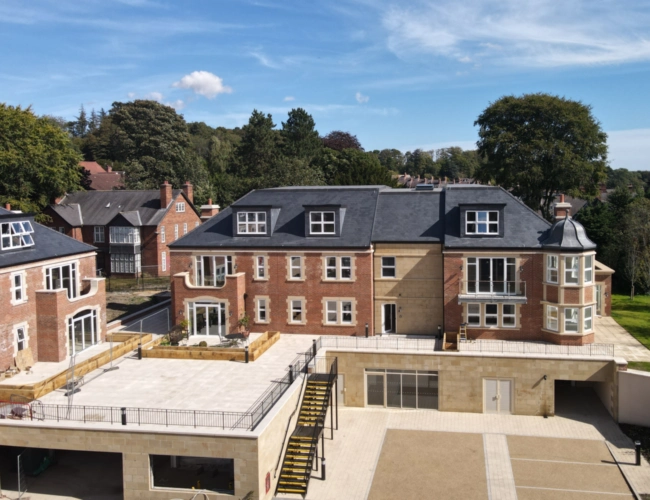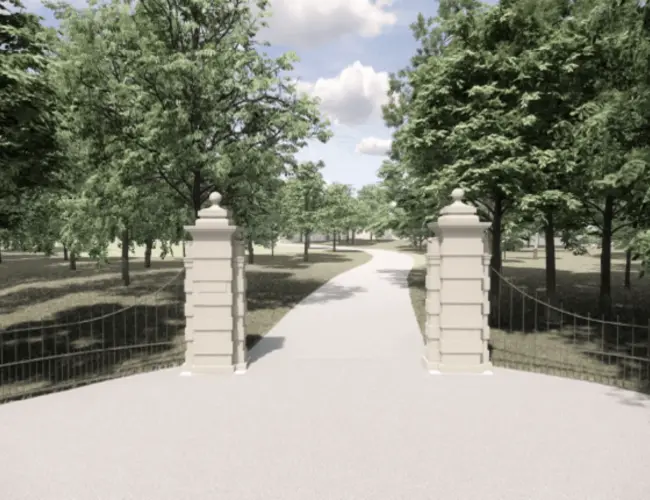

The moment often arrives quietly: the garden has become more work than pleasure, several rooms sit unused, and a house that once suited a busy family feels less aligned with the life you want to lead. Downsizing in retirement without compromising on luxury living is not about accepting less. It is about choosing a home with the right proportions, setting and finish for the years ahead.
In Northumberland, that choice can bring a rare combination of ease and character. A morning walk through a historic market town, lunch at a familiar village pub or an afternoon on the coast should feel close at hand, without the ongoing demands of a larger property. The most rewarding move is one that protects the parts of life you value while removing the compromises you no longer need to make.
Start with the life you want to live
The size of your next home matters, but it should not be the starting point. Begin with the routines and pleasures that make a place feel like yours. Perhaps you want to be able to walk to independent shops and cafés, entertain friends without setting up a spare bedroom for every visit, or spend more time travelling and less time arranging maintenance.
For some buyers, a well-planned two-bedroom flat near Morpeth town centre offers exactly the right balance. A second bedroom can remain a welcoming guest room, a study or a calm space for hobbies, while the main living area is designed for everyday comfort rather than occasional formality. For others, the appeal lies in a smaller house with a private garden, enough space for family weekends and the freedom to lock up and leave when the Northumberland coast or a holiday elsewhere calls.
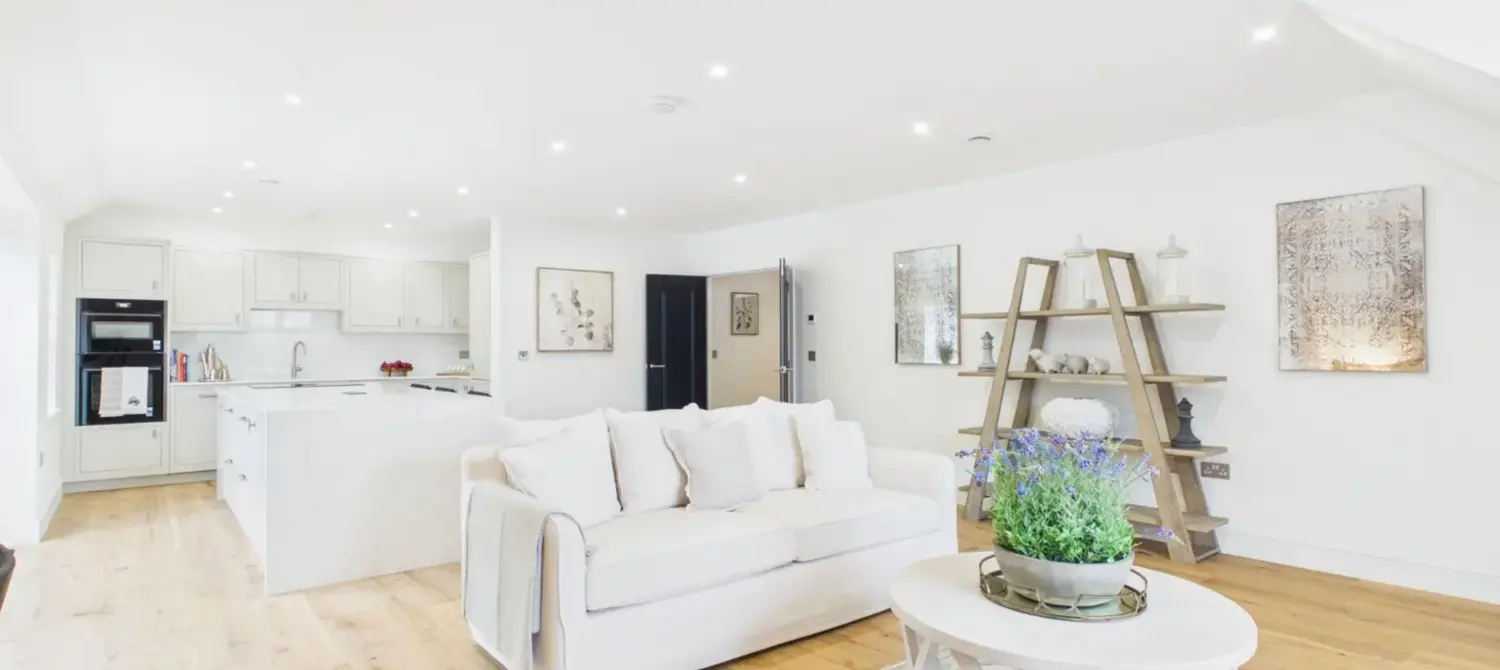
This is where downsizing differs from simply moving to a smaller footprint. The right property should be generous where it counts: a light-filled kitchen and living space, excellent storage, a practical utility area, a comfortable principal bedroom and room to host the people who matter. Square footage alone rarely captures how a home will feel.
Luxury is found in quality, not excess
Luxury in later life is often less about grand scale and more about daily experience. It is the confidence of arriving home to a place that is warm, quiet, well-made and easy to enjoy. It is a considered layout that avoids wasted corridors, awkward steps and rooms that demand furnishing simply because they are there.
Materials make a genuine difference. Traditional stone-built architecture can give a home a sense of permanence within a Northumbrian village or market-town setting, while contemporary insulation, efficient heating and carefully specified windows support comfort through every season. These qualities are not merely decorative. They reduce friction in daily life and help a new home feel established from the outset.
A heritage conversion may particularly appeal to those who want a more distinctive setting. Original character, proportion and craftsmanship bring an atmosphere that cannot be replicated, yet a sensitive restoration should still provide the practical standards expected of a modern home. The balance is crucial. Period features are most enjoyable when they sit alongside dependable services, effective heating, thoughtful lighting and a layout suited to contemporary living.
Choose a location that keeps life connected
A beautiful house in an inconvenient location can quickly feel restrictive. As priorities change, proximity to the places you use most often becomes more valuable: a good food shop, GP surgery, railway connections, cafés, coastal walks, friends and family. Northumberland offers different versions of this connected life, from the amenity of Morpeth to the village character of Belford and the enduring appeal of the Bamburgh coastline.
It depends, of course, on the rhythm you prefer. A town-centre flat may make errands and social plans wonderfully straightforward, particularly for buyers who would rather walk than drive for every small task. A village home can offer greater peace, landscape and community, but it is wise to consider how often you will want to travel for services, appointments and evenings out.
Visit at different times of day before deciding. Notice the walk from the car, the quality of pavements, how sheltered the entrance feels in winter and whether you can picture making the journey in ten years' time. Look beyond the view from the sitting room. A home should work just as well on a wet Tuesday in January as it does on a bright summer afternoon.
Plan for guests, hobbies and changing needs
Many people worry that downsizing means losing the ability to welcome family. In practice, a carefully arranged home can be more sociable than a larger one. An open kitchen, dining and living space encourages conversation, while a well-proportioned second bedroom gives grandchildren or friends a comfortable place to stay without leaving an entire floor unused for most of the year.
Consider how your possessions will make the move with you. Favourite furniture, artwork, books and inherited pieces often carry more emotional value than their size suggests. Measuring key items early helps you assess whether a property has the wall space, storage and room proportions to accommodate them properly. This is not a minor detail: living with the things you love is part of making a new address feel like home.
It is also sensible to think ahead without making your future feel clinical. Step-free access, a ground-floor bedroom or bathroom, generous doorways and an easily managed outside area can be quietly valuable. They offer flexibility, not limitation. A home designed with practical foresight allows you to remain independent for longer while retaining the elegance and comfort you expect.
The financial case for a more considered home
Downsizing can release capital, but the decision should not be viewed only through that lens. A lower-maintenance, energy-efficient home may reduce running costs and provide greater certainty than an older property with recurring repairs. Equally, paying for a better location, high-quality specification or a home with enduring architectural appeal can be a deliberate investment in how you live each day.
Be realistic about the full cost of moving. Legal fees, removals, furnishing, service charges where applicable and the wish to make a new home personal all deserve a place in the budget. If you are considering a flat, understand what the service charge covers and how shared spaces, parking and building maintenance are managed. Clarity at this stage supports a more relaxed decision later.
New-build homes can be particularly appealing for retirees who want a clean break from repair lists and renovation projects. A contemporary home built with modern standards may offer improved energy performance and less immediate maintenance, while still reflecting the established character of its surroundings. Ida Homes approaches this balance through considered homes rooted in Northumberland's architectural identity, rather than a generic approach to place.
Downsizing in retirement without compromising on luxury living
The best downsizing decisions are rarely rushed. Give yourself permission to be selective. You are not simply exchanging one property for another; you are shaping a new chapter with more freedom to enjoy the county, spend time with people you love and make the most of your home.
When viewing, ask a simple question: would this property make an ordinary day better? Picture making breakfast, putting away shopping, reading by the window, receiving visitors and returning from a winter walk. If the home is beautiful but impractical, its appeal may fade. If it is manageable but characterless, it may not feel like the reward your next move should be.
A smaller home can hold a larger life when it is chosen with care. Seek out craftsmanship, a setting with meaning and rooms that support the way you truly live. The result should not feel like a retreat from luxury, but a more confident expression of it.