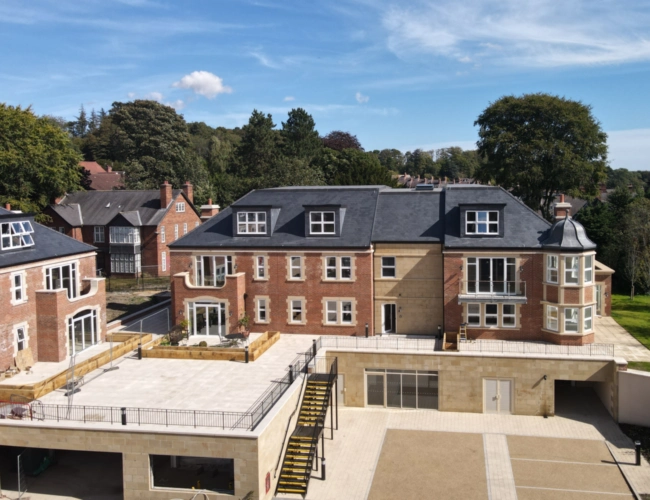

A home in Northumberland is rarely chosen on square footage alone. It may be the walk into Morpeth for coffee, a view towards the Cheviots, room for family visits, or the pull of the coast near Bamburgh. Once you have found the right setting, a clear property purchase timeline turns that anticipation into a considered, manageable process.
There is no single timetable that applies to every buyer. A straightforward chain-free purchase can progress quickly, while a sale-dependent move, a mortgage with detailed underwriting, or a home purchased before completion will need more time and coordination. The key is to understand what happens at each stage, what is within your control and where a little preparation can protect the home you have chosen.

Your property purchase timeline at a glance
For an existing home, the period from an accepted offer to completion often takes between eight and 16 weeks. A new-build purchase can be shorter where the home is ready to move into, although buying off-plan or during construction naturally follows the build programme. Heritage conversions can also have their own rhythm, particularly where careful restoration and final approvals are involved.
The milestones remain familiar: establish your budget, view and reserve or offer, appoint a solicitor, secure your mortgage, complete legal checks, exchange contracts and complete. What changes is the detail behind each stage.
Before you view: establish a confident starting point
A property search is more enjoyable when the financial groundwork is already in place. Before arranging viewings, speak to an independent mortgage adviser or lender and obtain a mortgage agreement in principle. This is not a final mortgage offer, but it provides a realistic indication of what you may be able to borrow and shows a seller or developer that you are in a position to proceed.
Alongside the deposit, allow for the wider cost of moving. These can include legal fees, surveys, mortgage arrangement fees, removals and Stamp Duty Land Tax where applicable. If you are selling an existing property, consider the likely value of your current home and whether a chain could affect your preferred moving date.
For buyers considering a premium Northumberland home, it is also worth defining the non-negotiables early. That may be a manageable two-bedroom flat close to Morpeth town centre, a larger family home near schools and village amenities, or a quieter coastal base with space to host. A clear brief helps distinguish a good property from the right long-term home.
Viewing, reserving and making an offer
When you find a property that feels right, act with purpose but not haste. Revisit if possible, preferably at a different time of day, and consider the practicalities alongside the immediate appeal. Ask about parking, storage, broadband provision, energy performance, anticipated service charges for flats and, for a new home, the specification included as standard.
With a resale property, your offer is usually made through the estate agent. Once accepted, it remains subject to contract and survey. The seller may continue to receive viewings or offers until contracts are exchanged, so moving promptly matters.
With a new-build home, the next step is commonly a reservation. You will pay a reservation fee to take the property off the market for an agreed period, often while your solicitor reviews the contract and your mortgage application progresses. Read the reservation agreement carefully. It should set out the fee, the reservation period, what is refundable and the anticipated exchange and completion dates.
A reservation is particularly valuable when purchasing a home before it is finished. It gives you the certainty to plan while the final details of your purchase take shape. However, be realistic about timing: an estimated completion date is an estimate until construction, inspections and utility connections are complete.
Weeks one to three: appoint your team and begin the checks
Once your offer is accepted or your home reserved, appoint a conveyancing solicitor experienced in residential purchases. They will handle the legal transfer, raise enquiries, review the contract and advise on the title, restrictions and obligations attached to the property.
Send your solicitor’s details to the agent or developer without delay. You will also need to provide proof of identity, proof of address and evidence of your deposit. Delays at this early stage can be frustratingly difficult to recover later.
Submit your full mortgage application as soon as you are ready. Your lender will assess your income, outgoings and supporting documents, then arrange a valuation of the property. A lender’s valuation is primarily for the lender’s benefit. It is not the same as a detailed survey of condition.
For an older property, a RICS survey may identify maintenance requirements, roof concerns, damp or structural movement before you become legally committed. For a newly built home, a professional snagging inspection can be useful close to completion, identifying cosmetic or functional items for the builder to address. In a sensitively restored historic building, your solicitor and surveyor can help you understand any listed-building context, maintenance responsibilities or shared arrangements.
Weeks three to eight: searches, enquiries and mortgage offer
Your solicitor will order searches, which typically include local authority, drainage and environmental checks. These reveal matters that are not obvious during a viewing, such as planning history, road schemes, flood considerations, conservation-area status or whether the property is connected to mains drainage.
Northumberland’s varied landscape is part of its appeal, but it makes local understanding valuable. A village-edge home, coastal address and town-centre flat may each raise different questions around access, boundaries, utilities and local planning. The purpose is not to create unnecessary concern. It is to make sure you are buying with a full picture of the property and its setting.
At the same time, your solicitor raises enquiries with the seller’s solicitor or developer. For a new build, these commonly cover building warranties, planning permissions, roads and sewers, management arrangements, estate charges and the specification. If the home is leasehold, they will review the lease length, ground rent provisions where relevant, service charges and the management company.
This stage can feel quiet from a buyer’s perspective, but much of the essential work happens here. It is also where patience pays off. A quick answer is welcome; a complete and accurate answer is better. Do not be afraid to ask your solicitor to explain anything that is unclear before you agree to proceed.
Exchange of contracts: the point of commitment
Exchange is the legal turning point. Once contracts are exchanged, both parties are committed to the agreed purchase and completion date. You will normally transfer a deposit to your solicitor beforehand, often 10 per cent of the purchase price, although this can vary depending on the transaction and mortgage arrangements.
Before authorising exchange, check that your mortgage offer is in place, your buildings insurance is arranged from exchange where required, and your solicitor has answered your principal questions. Confirm the completion date works for you, particularly if removals, school arrangements or the sale of your current home are involved.
For a completed new-build home, exchange and completion may occur within a relatively short, specified period. For a home still under construction, exchange may take place first, with completion following on notice once the property is ready. Your developer should explain the anticipated build stages and the notice period you can expect, allowing you to organise your move with reasonable confidence.
Completion day: from paperwork to front door
On completion day, your solicitor sends the remaining balance to the seller’s solicitor. Once the funds are received, the transaction completes and keys can be released. For a new home, this is usually when you receive handover information, warranties, appliance manuals and practical guidance on caring for the property.
Try to keep the day itself flexible. Banking transfers and final confirmations can take time, so it is wise not to book removal vehicles too early in the morning. If you are moving into a new-build development, ask in advance about access, parking for removal vans and any site safety arrangements still in place.
A new home should be enjoyed from the first evening, but take time to record meter readings, test the main appliances and make a careful note of any snagging items. Report these through the agreed process, with photographs where helpful. A considered developer will want the final details to meet the standard promised.
Planning for the parts that can move
The most dependable property purchase timeline is one with room for change. Mortgage queries, search turnaround times, linked sales and construction schedules can all shift dates. Keep communication open with your solicitor, lender, agent or developer, and avoid giving notice on a tenancy or committing to removals until exchange has taken place.
If you are purchasing off-plan, the trade-off is clear. You gain the opportunity to select a home early and look ahead to a considered new address, but you may need greater flexibility around the final moving date. If you are buying a completed home, the timetable is often clearer, though choice may be more limited.
The right purchase is not simply one that completes quickly. It is one that gives you confidence in the home, the paperwork and the place you are about to make your own. With the right preparation, the day you collect the keys can feel less like the end of a process and more like the beginning of a life well placed in Northumberland.