A home in Northumberland has to answer to its surroundings. From the honeyed stone of village streets to the wide skies of the coast and the working character of market towns, the most memorable places here feel as though they belong. That is why choosing between Northumberland housebuilders is about more than comparing bedroom numbers, kitchen specifications or completion dates. It is about finding a builder with a genuine understanding of place.
For buyers seeking a primary residence, a considered downsizing move or a property with lasting appeal, that distinction matters. A well-designed new home should make everyday life easier while sitting comfortably within the architectural language of its setting. It should feel current without appearing temporary, and practical without losing the character that drew you to Northumberland in the first place.
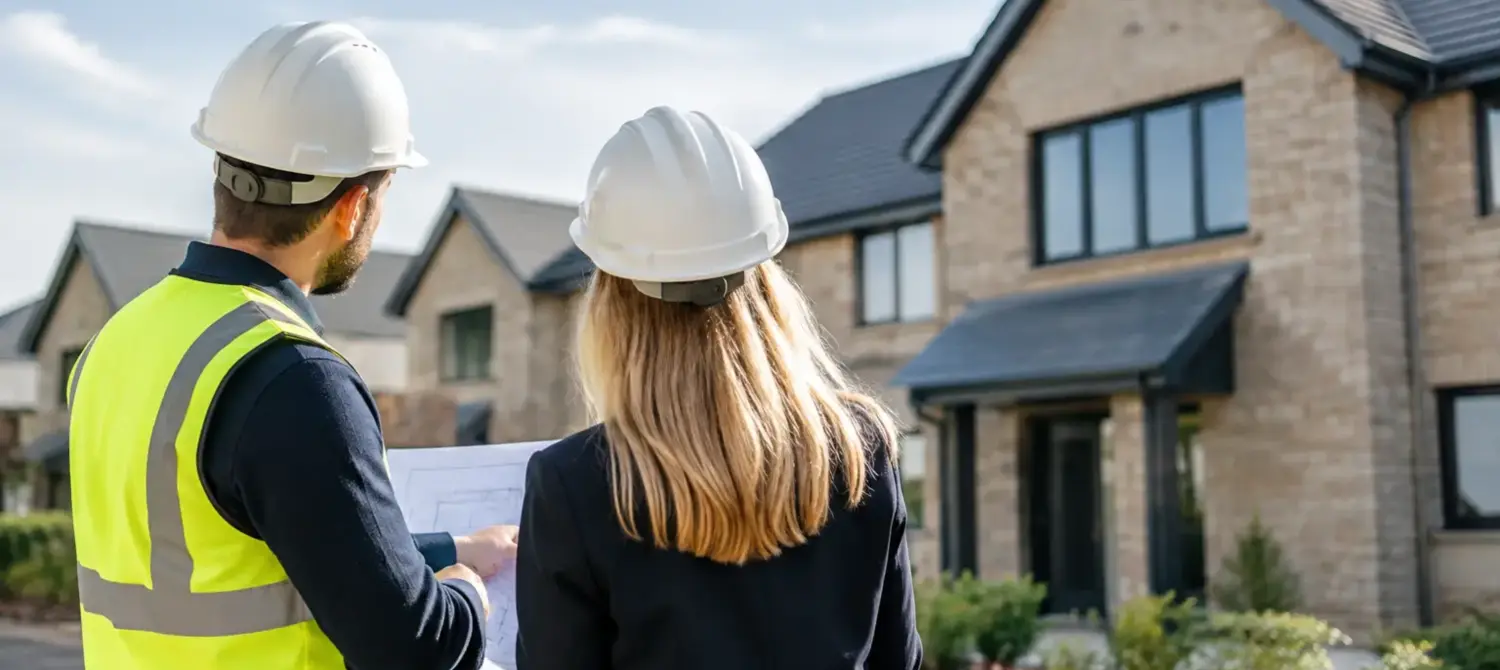
What Northumberland housebuilders must understand
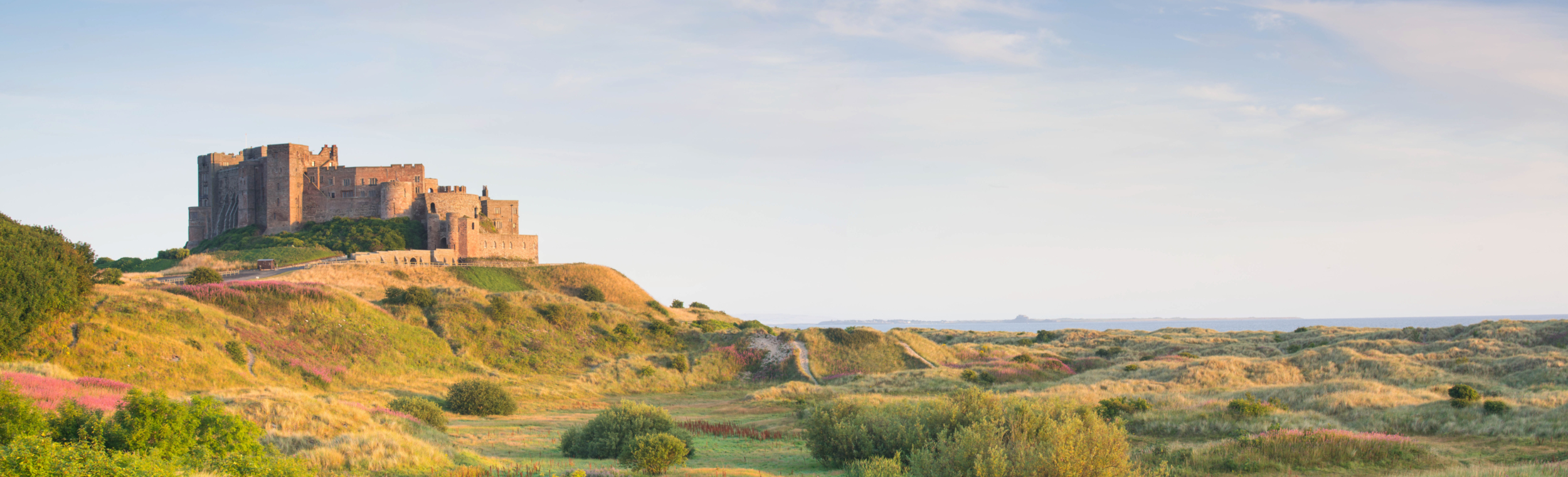
Northumberland is not one market or one landscape. Morpeth has a lively town-centre rhythm, independent shops and rail connections that suit professional life as well as relaxed weekends. Belford offers a village setting with countryside and coastline close at hand. Near Bamburgh, the relationship between historic buildings, open land and the North Sea carries a particular sense of permanence.
A builder working across these places cannot simply repeat the same estate plan. The scale of a street, the prevailing rooflines, the materials already used nearby and the way people move through a village all influence whether a development will mature well. This is not an argument against contemporary homes. It is an argument for contemporary homes with a clear sense of context.
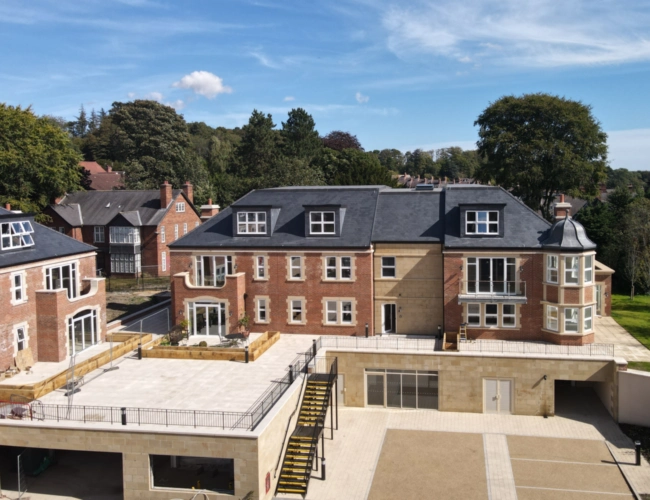
That can mean stone-built elevations that reflect local traditions, restrained detailing and proportions that feel at ease beside established homes. It can also mean recognising when a collection of flats close to a town centre is the right answer, and when a family house with generous living space is better suited to a village edge. Good development starts with that judgement long before construction begins.
Traditional character, contemporary standards
There is a reason buyers are drawn to traditional Northumbrian architecture. Natural stone, considered roofscapes and well-proportioned windows offer visual solidity that does not date quickly. Yet a new home must also meet the expectations of modern life: efficient heating, strong insulation, useful storage, flexible rooms and kitchens designed for how households actually live.
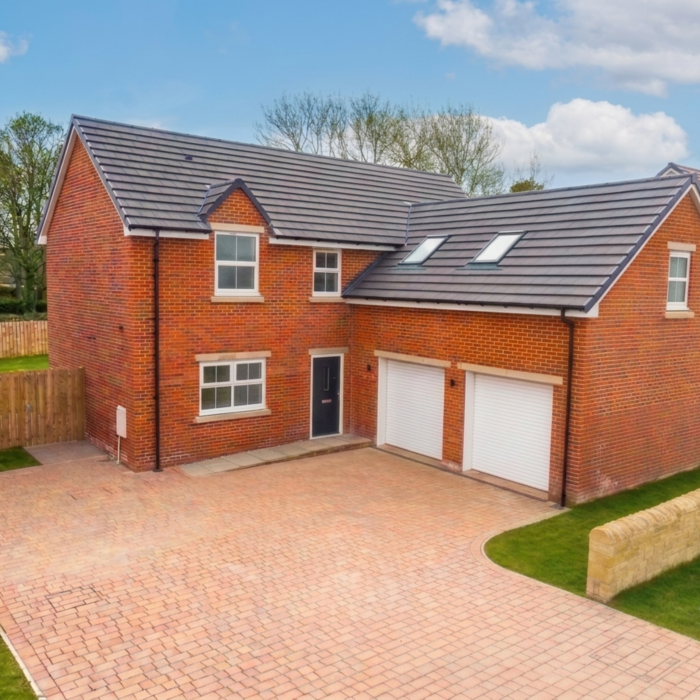
The strongest schemes bring these priorities together rather than treating them as opposites. A traditionally inspired exterior can contain light-filled interiors, open-plan family spaces and carefully positioned utility rooms. A two-bedroom flat can offer low-maintenance living without feeling compromised. A larger house can provide space for family life, home working and visiting guests while retaining a composed, settled appearance from the street.
Buyers should look beyond a show-home first impression and ask how design decisions will work over time. Is there enough practical storage? Do living areas receive good natural light at the times they will be used most? Are bedrooms arranged to provide privacy? Is the garden proportionate to the house and realistic to maintain? These details may not be as immediately visible as a statement kitchen, but they shape daily life for years.
The value of building for a specific setting
A desirable Northumberland address is never defined by the house alone. The best locations give residents a relationship with their surroundings: a walk into town for coffee, a local school within reach, a favourite pub nearby or the simple freedom to reach beach, woodland and open countryside with ease.
That is why site selection is such an important measure of quality. A carefully chosen location often carries value beyond the boundary of the plot. For families, it may be proximity to amenities and space to grow. For downsizers, it may be the convenience of a manageable home near shops and services. For those considering a second home or investment, it may be the enduring appeal of a historic village or coastal setting.
There are trade-offs, of course. A central location may mean a more compact footprint, while a home on the edge of a village may offer greater space but require more reliance on a car. A heritage conversion can deliver character that a new-build house cannot replicate, though it may also involve a different layout and the responsibilities that come with a historic structure. The right choice depends on the life you want to lead, not simply the square footage you can buy.
Heritage conversions require a different kind of care
Restoring a historic building is not the same as constructing on a clear site. It calls for patience, expertise and respect for the features that give a building its identity. Original stonework, period proportions and established views should guide the work, while modern interventions need to be quietly effective rather than overly assertive.
When carried out well, a conversion offers something rare: the texture and story of an older building alongside contemporary comfort. The appeal may lie in a distinctive entrance, generous ceiling heights or the sense that the home has already occupied its place in the landscape for generations. Near landmarks such as Bamburgh and its surrounding coast, this approach is particularly meaningful. Historic land deserves development with a long view.
It also requires buyers to assess what they value most. New-build homes can offer a more predictable layout and lower maintenance from day one. Converted homes often offer individuality and architectural depth. Neither is inherently better. What matters is transparency about the building, the specification and the decisions made to preserve its character.
Questions worth asking before you reserve
A thoughtful conversation with a developer can reveal far more than a brochure. Ask how the design responds to the location and which materials have been selected for the exterior. Discuss the anticipated running costs, the warranty provision and what is included in the specification rather than assumed. If buying off-plan, ask to see plans in detail and understand how room dimensions translate into usable space.
It is also sensible to ask about the wider development. How will landscaping establish over time? Are roads, footpaths and shared spaces designed to feel like part of the existing community? What is the timetable for the final phases of work? A home may be beautifully finished on completion day, but its setting will continue to evolve around it.
For buyers moving from outside the county, spend time in the area at different points in the week. Visit on an ordinary morning as well as a sunny Saturday. Try the journey to the station, the school run or the walk to the local shops. Northumberland rewards a slower, more observant approach. The details that make a location right are often the ones that cannot be captured on a floorplan.
A more considered way to build
The difference between a generic development and a lasting neighbourhood often comes down to care: care in choosing the site, in reading local architecture, in specifying materials and in creating homes that suit more than one stage of life. Volume has its place, but it can overlook the individual qualities that make Northumberland so sought after.
At Ida Homes, this belief is reflected in carefully selected developments ranging from town-centre flats in Morpeth to family homes in Belford and the considered restoration of Shoreston Hall near Bamburgh. Each responds to a different way of living, yet all share an ambition to pair traditional build with contemporary features.
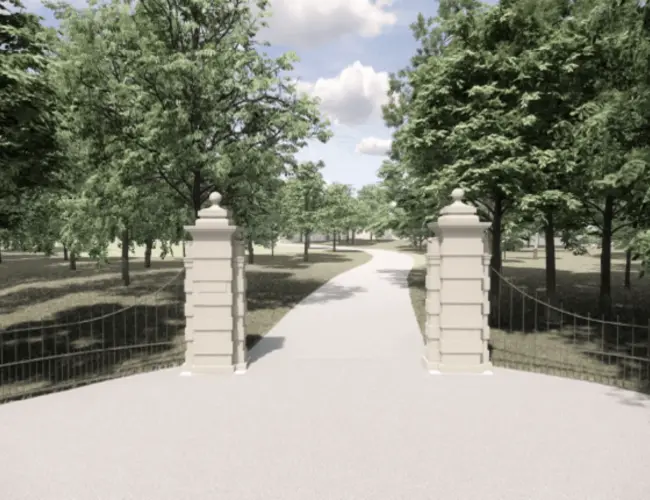
When viewing homes, allow yourself to look beyond the immediate finish. Consider how the property meets the street, how it catches the light, what lies beyond the garden gate and whether it feels credible in its setting. The right home should not only suit the next few years. It should feel like a natural part of Northumberland for many years to come.