A new home offers a rare opportunity: the chance to make thoughtful decisions before the first piece of furniture crosses the threshold. The right new build upgrades can make daily life more comfortable from day one, while preserving the calm, considered feel that drew you to the property in the first place. The key is not to specify everything available, but to choose finishes and features that will continue to earn their place long after moving day.
For buyers choosing a home in Northumberland, this often means balancing contemporary convenience with a sense of permanence. A well-planned kitchen, warmer flooring underfoot and carefully positioned lighting may matter more over time than the most eye-catching optional extra. Your home should work beautifully for the way you live now, whether that means busy family mornings, weekends by the coast or a quieter pace close to a village centre.

Begin with the features that are hardest to change
When considering upgrades, start with the elements that would be disruptive, expensive or impractical to alter once you are settled. Flooring, electrical layouts, kitchen cabinetry and bathroom fittings generally belong at the top of the list. Decorative details can always evolve, but these foundations are far easier to specify during construction than revisit later.
It is also worth asking what is already included in the home’s specification. A premium development may already provide high-quality kitchen appliances, considered sanitaryware, efficient heating and attractive external materials as standard. In that case, an upgrade should genuinely improve the way the house or flat performs for you, rather than simply duplicate a feature that is already well resolved.
Flooring that suits real life
Flooring shapes the experience of a home more than many buyers expect. It affects warmth, acoustics, maintenance and the transition from one room to the next. Choosing a durable floor finish for entrance halls, kitchens and family living areas can be particularly worthwhile, especially where muddy boots, dogs or returning from a walk along the Northumberland coast are part of everyday life.
A continuous finish across connected spaces can make a ground floor feel more generous and composed. In bedrooms, carpet remains a popular choice for softness and warmth, while a good underlay can make a tangible difference to comfort. The best decision depends on the room, your household and how much maintenance you are willing to take on. A pale timber-style floor may look striking, for example, but it will show marks more readily in an active family home.
Electrical points and lighting plans
Electrical upgrades are among the most practical choices available. Consider where you will charge phones, place lamps, work from home or position the television before finalising socket locations. Extra sockets beside beds, in living rooms and around kitchen worktops are modest details that can prevent a reliance on extension leads later.
Lighting deserves the same attention. A central pendant may be sufficient in a guest room, but kitchens, dining areas and principal bedrooms often benefit from a more layered approach. Under-cabinet kitchen lighting, dimmable fittings in living spaces and well-placed external lights can all make a home feel more welcoming and usable through Northumberland’s darker winter months.
Avoid adding lighting simply because it is available. Too many downlights can make a room feel flat or overly bright. It is usually better to combine practical task lighting with softer lamps and feature fittings that can be chosen once you have lived with the space.
New build upgrades for the kitchen and bathrooms
Kitchens and bathrooms are used every day, so upgrades here can offer lasting value. They are also rooms where changing your mind after completion is likely to involve significant cost and disruption.
In the kitchen, look beyond door colours and handles. Think about storage, worktop durability and how you cook. Deep drawers, integrated recycling, a pull-out larder or an additional run of cabinetry may prove more valuable than a more decorative finish. If you enjoy entertaining, consider whether a larger hob, upgraded extractor or additional preparation space would make the room function better.
Worktops are often a sensible area to consider, provided the chosen material suits your habits. Natural stone and engineered surfaces can offer a refined appearance and good durability, but each has its own care requirements. A beautiful surface should be one you are comfortable using, not one you feel obliged to protect from daily life.
Bathroom choices are more personal. An upgraded shower, quality screen or additional tiling can bring a sense of hotel-like comfort, particularly in an en suite. Yet full-height tiling in every bathroom is not automatically the best use of budget. A balanced scheme, with tiling concentrated around baths and showers, can look impeccably designed while allowing painted walls to introduce colour and character later.
Prioritise comfort and efficient living
Energy-conscious features may be less immediately visible than a statement tap or decorative tile, but they are often among the most valuable new build upgrades. Ask how the home is heated, ventilated and insulated, and understand which choices are fixed within the development’s design.
Where options are available, consider additions that support comfort without complicating the home. Zoned heating controls can help different parts of the house suit different routines. Towel warmers, improved ventilation and sensible window coverings can also make rooms more enjoyable throughout the year.
Technology should be selected with restraint. Smart heating controls can be useful for households with changing schedules or those who spend part of the week elsewhere. However, proprietary systems can date quickly. Choose technology that solves a clear need and can be operated easily by every member of the household, rather than adding layers of control for their own sake.
Do not overlook storage and practical spaces
Storage is easy to underestimate when viewing an empty property. Once coats, walking gear, cleaning equipment, sports kit and seasonal decorations arrive, a home with well-considered storage feels markedly easier to live in.
If a utility room is included, assess whether extra cabinetry or a worktop would improve its purpose. In family homes, a practical boot room arrangement near the entrance can be invaluable. In a two-bedroom flat, fitted wardrobes or a carefully configured hall cupboard may provide the order that keeps living spaces uncluttered.
Think about the furniture you already own as well. Measure larger pieces and consider where they will sit. This will help you decide whether a built-in wardrobe, media unit recess or additional shelving is genuinely useful. The aim is not to fill every wall with joinery, but to give everyday belongings a natural home.
Keep the character of the home in view
The most successful upgrades complement the architecture rather than compete with it. In a stone-built Northumbrian home, a palette of warm neutrals, natural textures and enduring finishes can sit comfortably with the solidity of the exterior. In a heritage conversion, it may be appropriate to let original proportions, views or period details take the lead, adding contemporary features with a lighter touch.
This does not mean every choice must be traditional. Contemporary living calls for efficient kitchens, useful technology and clean-lined bathrooms. The distinction lies in choosing finishes that feel settled rather than fashionable for a season. A well-made timber effect, brushed metal hardware or a softly coloured cabinet can be both current and lasting.
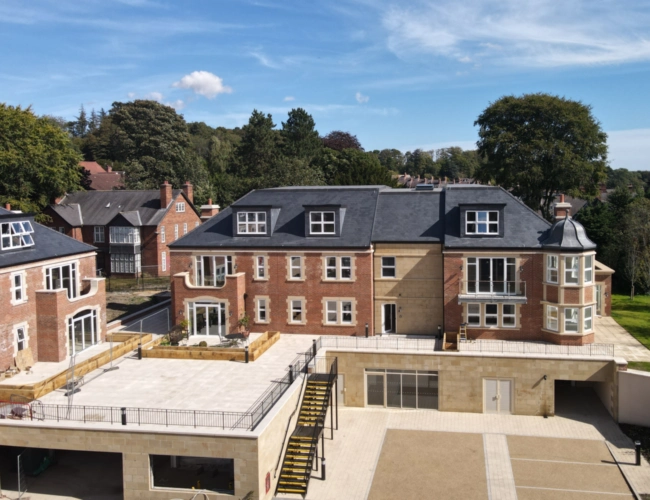
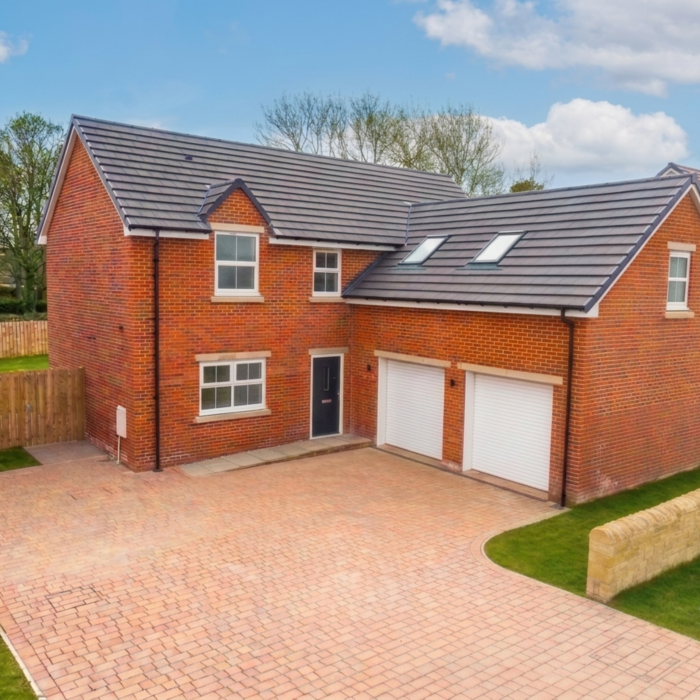
At Ida Homes, this balance between traditional build and contemporary features is central to creating considered homes that belong to their setting. Whether you are choosing a flat close to Morpeth town centre, a family house in Belford or a distinctive coastal conversion near Bamburgh, the surrounding place can be a useful guide. The landscape, light and architecture beyond the windows should inform the atmosphere within.
Set a budget before the showroom appointment
An upgrades appointment can be exciting, and individual selections can quickly add up. Set a clear figure before you begin, then divide it between essentials, strong preferences and items that can wait. This makes it easier to make decisions with confidence rather than responding to every option in the moment.
As a rule, spend first on features built into the fabric of the home, then on everyday function, and finally on appearance. A better flooring choice or an extra socket is difficult to retrofit neatly. Pendant lights, curtains, paint colours and freestanding furniture can be introduced gradually, allowing your home to develop with you.
It is equally sensible to consider future saleability, but do not design solely for an unknown buyer. Neutral, durable choices tend to have broad appeal, while a few personal details can still make the property feel distinctly yours. The right balance is a home with lasting quality, not a show home that feels untouched.
Choose upgrades that make the ordinary moments better: the warm floor beneath bare feet, the cupboard that keeps the kitchen calm, the light that welcomes you home after a long journey north. Those are the decisions that continue to feel worthwhile long after the boxes have been unpacked.