The moment a home catches your eye, the setting often comes first: a stone-built street in a Northumberland village, a walkable address near Morpeth town centre, or open views towards the coast. Yet the legal structure behind the front door matters just as much. A freehold leasehold comparison helps buyers understand not only what they are purchasing, but the responsibilities, costs and freedoms that may shape life in that home for years to come.
For many buyers, the distinction is straightforward in principle but less so in practice. Freehold and leasehold ownership can affect everything from how a building is maintained to whether permission is needed for certain alterations. Neither is automatically better. The right choice depends on the property, the quality of its management arrangements and the life you intend to build there.

Freehold leasehold comparison: the central difference
A freehold owner usually owns the property and the land it stands on indefinitely. With a house, this often means responsibility for the building, garden, boundaries and day-to-day upkeep rests largely with the owner. There may still be obligations in the title documents, such as covenants protecting the character of a development or contributions towards shared private roads, landscaped spaces or drainage.
Leasehold ownership is different. A leaseholder owns the right to occupy a property for a defined number of years under a lease, while the freeholder retains ownership of the building and land. This structure is particularly common for flats, where several homes share a roof, entrance, corridors, foundations and other essential parts of the building.
The lease sets out the relationship between leaseholder and freeholder. It will usually cover matters such as maintenance, insurance, service charges, use of communal areas, alterations and the process for seeking consent. It is a detailed legal document, not simply an administrative formality, which is why buyers should allow their solicitor time to review it carefully.
Why property type matters
In a traditional family house, freehold ownership is often the expected arrangement. It gives owners a direct and lasting interest in their home and the plot around it, while leaving them responsible for maintaining both. For buyers planning to personalise a home over time, perhaps through landscaping, a garden room or carefully considered internal changes, this independence can be appealing. Planning permission, building regulations and title restrictions may still apply, of course.
For a flat, leasehold can be a practical and well-established way to own a home. Shared ownership of a multi-storey building would otherwise make decisions about structural works, insurance and communal maintenance considerably more complicated. A properly drafted lease and a transparent management structure can provide clarity, helping ensure that the building is maintained to an appropriate standard for every resident.
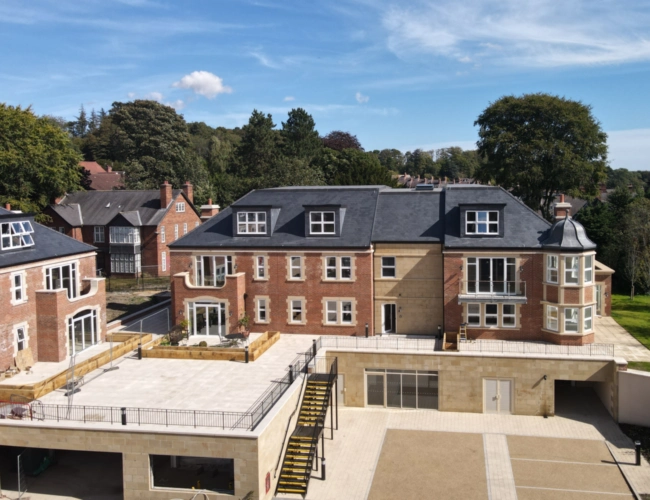
This is especially relevant in an exclusive collection of flats where the quality of common spaces contributes to the experience of living there. Entrance halls, landscaped grounds, parking areas, external stonework and shared services all require attention long after completion. Service charges are intended to meet these collective costs.
Heritage conversions require an equally careful view. A home within a historic hall or a building of distinctive architectural character may have shared fabric and specialist maintenance needs. Here, the question is not simply whether a property is freehold or leasehold. It is whether the ownership structure gives buyers a clear, fair and sustainable way to care for an important building.
Understanding the ongoing costs
Freehold does not always mean cost-free beyond the mortgage, utilities and routine repairs. Some modern developments include shared amenities or private infrastructure that need collective funding. Owners may contribute through an estate management charge, and the legal documents should explain what is covered, how the charge is calculated and how decisions are made.
With leasehold, buyers should ask for clear information about the current service charge, what it includes and whether there are any known major works on the horizon. Charges may contribute towards buildings insurance, cleaning and lighting of shared areas, gardening, repairs, managing agents and a reserve fund for future maintenance. The amount can vary from year to year, particularly where significant works are needed.
Ground rent is another point to check. Some leases require it, while others are structured with a peppercorn rent, meaning no meaningful annual payment is collected. The lease should also be examined for rent review provisions, as these can affect future affordability and mortgageability.
A good buyer does not judge a service charge solely by its headline figure. An unusually low charge can be just as concerning as a high one if it means essential maintenance is being deferred. Ask whether the building is insured, whether accounts are available, how funds are held and whether a reserve fund is in place. Clear answers suggest a well-managed home; vague answers warrant further investigation.
Lease length and future flexibility
The number of years remaining on a lease deserves particular attention. A long lease can offer confidence and flexibility, while a shorter lease may become more difficult and costly to extend. It may also limit the pool of future buyers, as some mortgage lenders have minimum lease-length requirements.
There are legal routes through which qualifying leaseholders may extend a lease or take a greater role in managing a building, but eligibility, process and cost vary. Leasehold law is also subject to ongoing reform, so buyers should seek current advice from their solicitor rather than relying on general guidance or assumptions drawn from another property.
If you are purchasing a leasehold flat as a long-term home, ask what the lease length will be on completion and retain a copy with your important property papers. It is easier to make informed decisions well before the term becomes a concern.
Questions to ask before you reserve
A thoughtful conversation early in the buying process can prevent uncertainty later. Whether considering a freehold house, a leasehold flat or a distinctive conversion, ask the sales team and your legal adviser how the property is held and what the practical implications are.
You will want to understand who insures the building, who maintains shared areas, whether there are service or estate charges, and what restrictions apply to pets, parking, letting or alterations. For leasehold homes, ask to see the proposed lease and budget where available. For freehold homes on managed estates, request the management information and details of any covenants.
It is also worth considering the property in the context of your own plans. A professional seeking a low-maintenance town-centre base may value the convenience of professionally managed communal spaces. A family drawn to a larger village home may prefer the control and responsibility that commonly comes with freehold ownership. A downsizer may find either structure ideal, provided the future costs and practicalities are understood from the outset.
Looking beyond the label
The strongest freehold leasehold comparison is not a contest between two labels. It is an assessment of the whole home: its workmanship, location, legal documents, shared responsibilities and likely future needs. A beautifully designed flat with a long lease and conscientious management may suit one buyer perfectly. A freehold home with private gardens and shared estate obligations may be exactly right for another.
Northumberland homes are often chosen for more than their square footage. They offer proximity to a market town, a village community, wide beaches, historic landmarks or the quiet rhythm of the countryside. The ownership arrangement should support that choice, giving you confidence that the home can be enjoyed and cared for with clarity.
Before committing, let the quality of the paperwork match the quality of the place. Read the documents, ask direct questions and use your solicitor's advice to make sure the home you choose feels as considered in ownership as it does in design.