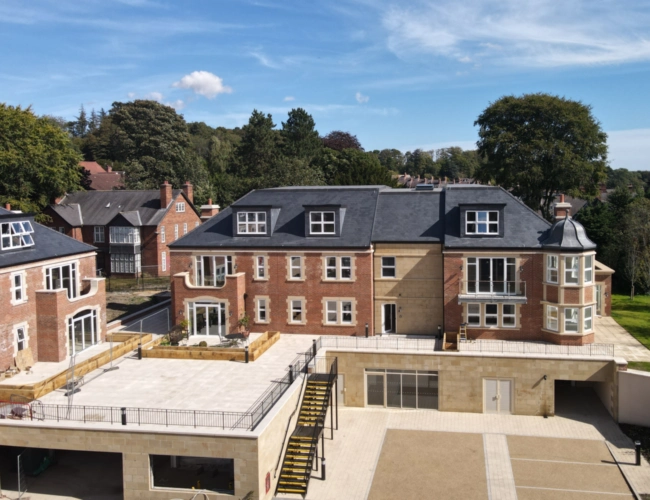
A well-made home should feel comfortable on a wild Northumberland morning without relying on the heating from first light until bedtime. That is the practical measure behind the eco credentials of houses at South Meadows in Belford: homes designed to support modern living with greater consideration for energy, comfort and the character of their setting.
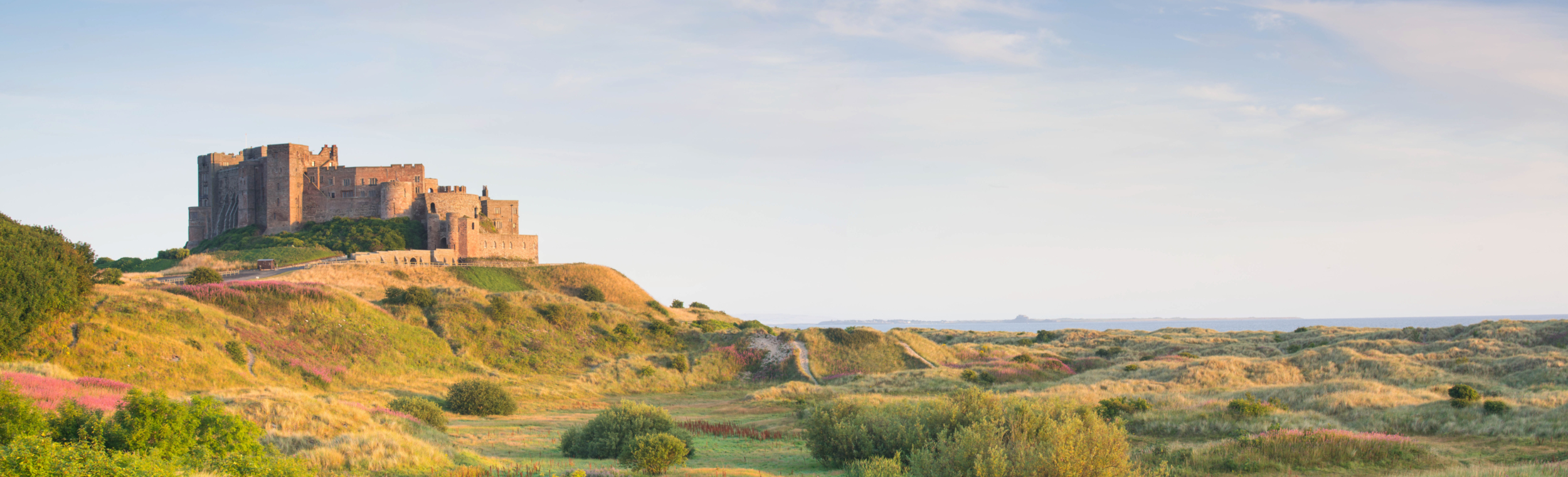
For buyers, sustainability is not a single feature on a specification sheet. It is the combined effect of how a home is built, how much energy it needs to stay warm, how well it manages fresh air and daylight, and how it will perform over years of family life. At South Meadows, these considerations sit alongside the enduring appeal of Belford - a village placed between the coast, countryside and some of Northumberland's most recognisable heritage.
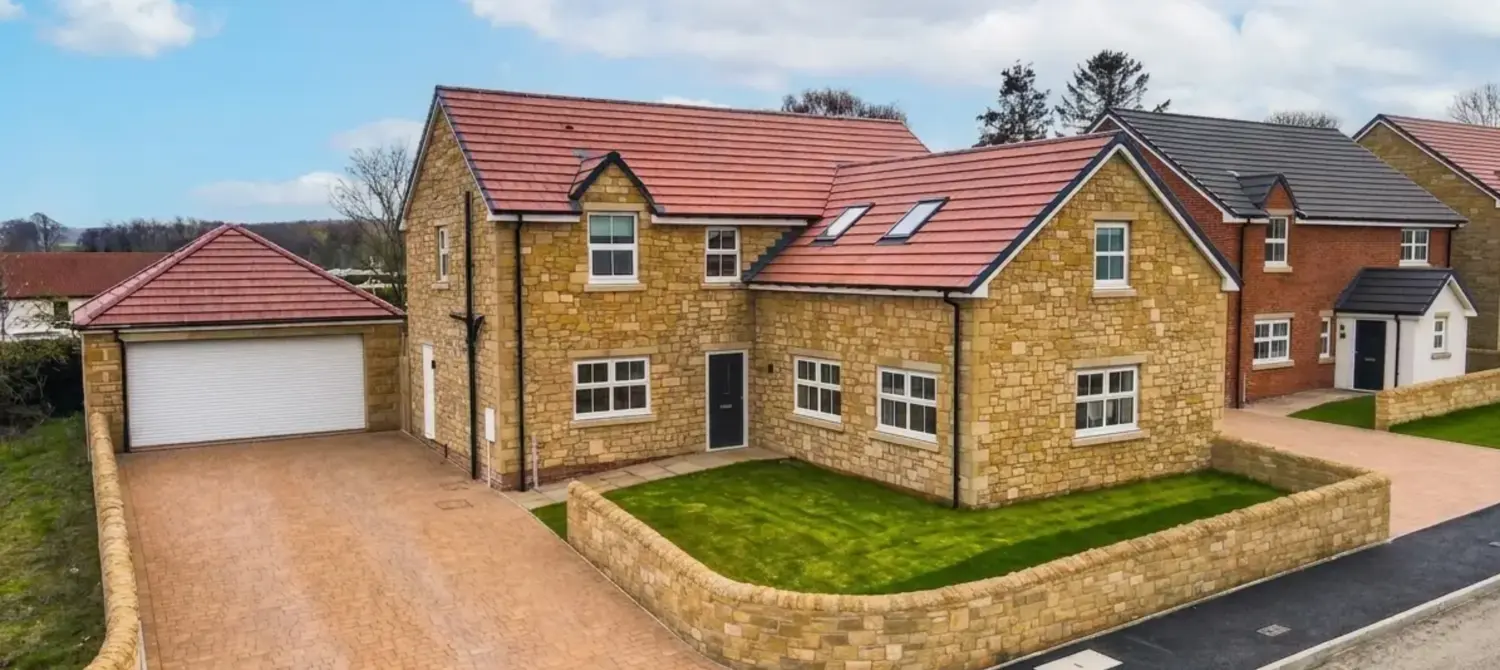
The eco credentials of houses at South Meadows, Belford
The most meaningful environmental benefit of a contemporary new-build home is often found in its fabric. A carefully insulated, well-sealed structure requires less energy to maintain a comfortable internal temperature than an older property with uninsulated walls, draughty openings or ageing services.
This fabric-first approach matters particularly in Northumberland, where exposed weather and cooler seasons are part of daily life. Effective insulation in the roof, walls and floors helps retain warmth, while high-performance windows and doors can reduce unwanted heat loss. The result is a home that is more consistent from room to room, with fewer cold spots and less dependence on the heating system.
New homes are also built to current Building Regulations, which set considerably higher expectations for energy efficiency than many existing properties were originally designed to meet. Each completed home will have an Energy Performance Certificate, or EPC, giving buyers a clear indication of its energy efficiency and environmental impact. The individual EPC and final specification for a chosen plot are the right documents to consult for confirmed ratings, systems and anticipated running costs.
Comfort is part of lower-energy living
Energy efficiency is sometimes reduced to a discussion about bills, but daily comfort is equally important. A well-insulated home warms up more readily and holds its temperature for longer. This can make bedrooms calmer on colder nights, living spaces more pleasant during winter and the whole house easier to manage through changing seasons.
Careful detailing also helps control draughts, although an energy-conscious house must not simply be sealed up. Fresh air is essential for a healthy home. Modern ventilation arrangements are intended to remove moisture from kitchens and bathrooms and support good internal air quality, helping to reduce the risk of condensation and mould when used properly.
There is a balance to strike. Opening windows remains one of the pleasures of living near open countryside, particularly on bright Belford days, but controlled ventilation means the home is not reliant on leaving windows open to deal with everyday moisture. Buyers should always ask how the ventilation is operated and maintained, as the best results depend on understanding the systems within the home.
Efficient services, used thoughtfully
The heating and hot-water system has a significant bearing on a home's day-to-day energy use. Contemporary systems are generally designed with efficiency in mind, but the outcome still depends on household routines, the temperature selected and how rooms are used.
Responsive heating controls allow owners to set schedules around their own lives rather than heating every space unnecessarily. Zoned controls, programmable thermostats and thermostatic radiator valves, where provided, can help households make considered choices between comfort and consumption. It is a practical advantage for a family whose weekday routine differs from a couple spending extended time at home.
Lighting also plays a quieter role. Energy-efficient fittings use less electricity and typically last longer than older alternatives. Natural daylight should do much of the work during the day, particularly in well-planned living areas, while efficient lighting supports a more economical home after dusk.
It is worth approaching claims around running costs with care. No two households use energy in exactly the same way. A larger family, frequent home working, long showers and preferred room temperatures will all influence consumption. The value of an efficient new home is not a promise of identical bills for every buyer, but a stronger starting point for managing energy use than a poorly performing older property.
A considered relationship with Belford
Sustainability is also about building homes that belong in their place and are made to last. South Meadows has been conceived for a village setting where the visual language of Northumberland matters. Traditional influences, durable materials and a considered streetscape can help a new development feel rooted rather than temporary.
A home with lasting architectural appeal has an environmental value that is easy to overlook. When properties are thoughtfully designed, properly maintained and adaptable to changing stages of life, they are more likely to be enjoyed for the long term. This reduces the throwaway mentality that can accompany less considered construction.
Belford itself supports a lifestyle less dependent on travelling long distances for every daily need. The village's local amenities, community life and access to the wider Northumberland landscape are part of its appeal. For some buyers, being able to walk for a local errand, enjoy nearby green space or make a shorter journey to the coast adds up to a more thoughtful way of living.
That said, location works differently for every household. Commuters, families with school runs and those who regularly travel farther afield will still need to consider their transport needs. A sustainable move is rarely defined by one decision alone. It is shaped by the home, its location and the rhythms of the people living there.
What to ask before reserving a home
Eco credentials are most useful when they can be understood in clear, plot-specific terms. As South Meadows progresses, buyers should ask about the final EPC rating for their chosen home, the heating and hot-water arrangement, insulation standards, window performance and ventilation provision. It is also sensible to ask which features are standard and which may vary by house type or build stage.
For buyers comparing a new-build house with a period property, annual energy costs are only one part of the decision. Older homes can offer exceptional character, but may require investment in insulation, glazing or heating upgrades before they reach a comparable level of comfort. A contemporary home can offer the reassurance of modern construction standards from the day of completion, alongside the opportunity to establish good energy habits from the outset.
Small choices make a real difference once the keys are collected. Learning the heating controls, using extractor fans when cooking or bathing, keeping vents clear and choosing efficient appliances all help the home perform as intended. A considered home gives its owners the right foundation; living well within it completes the picture.
At South Meadows, the strongest environmental credentials are found not in a single headline feature, but in the prospect of a well-insulated, carefully designed home made for contemporary life in one of Northumberland's most distinctive village settings. For those looking towards Belford, that combination of lower-energy comfort, lasting quality and a genuine sense of place is a thoughtful place to begin.