The question, âwhere are new houses being built?â, matters most when a move is about more than an address. In Northumberland, the strongest opportunities tend to sit where daily convenience meets the countyâs enduring appeal: market towns with independent shops and rail connections, well-served villages, and carefully chosen coastal settings close to open countryside.
For discerning buyers, the better question is not simply where construction is taking place. It is whether a new home belongs in its setting, supports the way you want to live, and will still feel right after the first excitement of moving day has passed.
Where New Houses Are Being Built in Northumberland
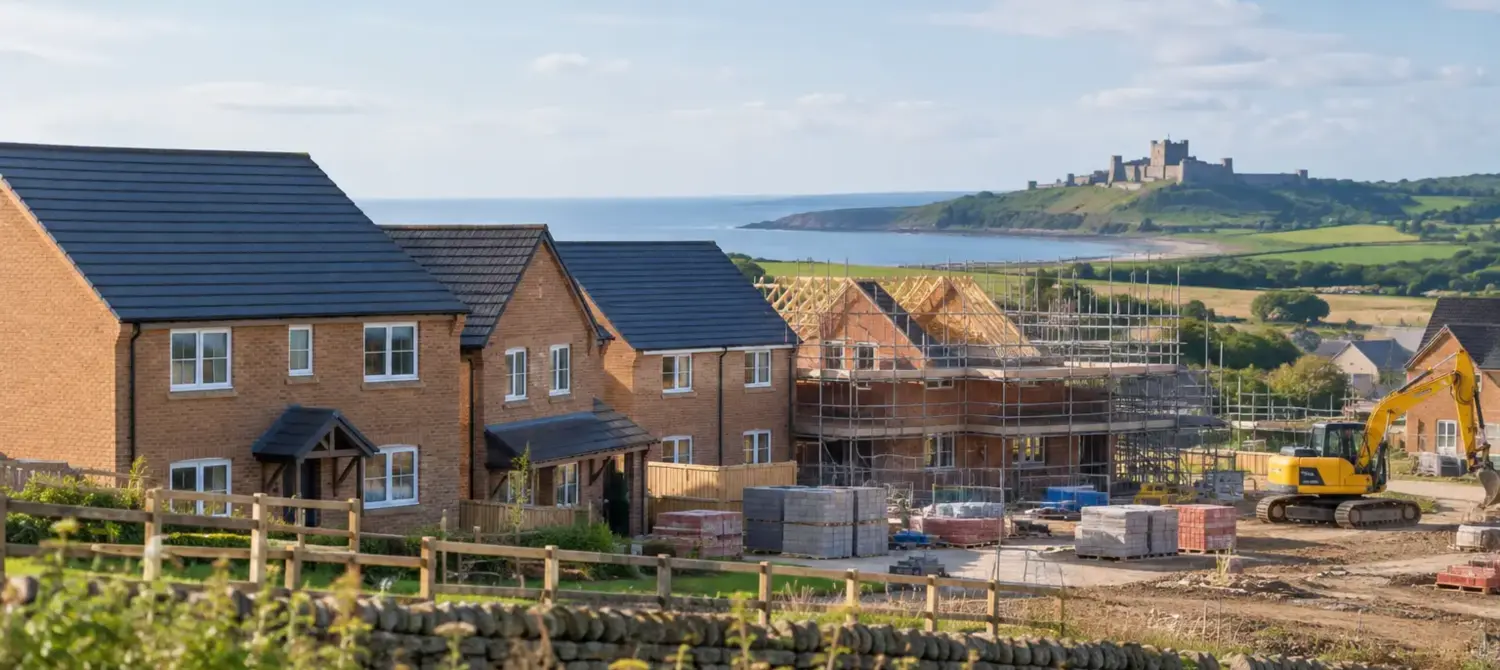
New homes are being delivered across Northumberland in a mix of established towns, village-edge locations and selected coastal communities. Each offers a different balance of access, atmosphere and property type, so the right area depends on whether your priorities lean towards commuting, family life, downsizing or a quieter lifestyle close to the sea.
Market towns with everyday convenience
Morpeth remains a natural focus for buyers seeking a well-connected town with a strong sense of place. Its historic centre, river walks, cafés, independent retailers and railway station make it particularly appealing to professionals, couples and downsizers who want amenities close at hand without giving up access to the wider countryside.
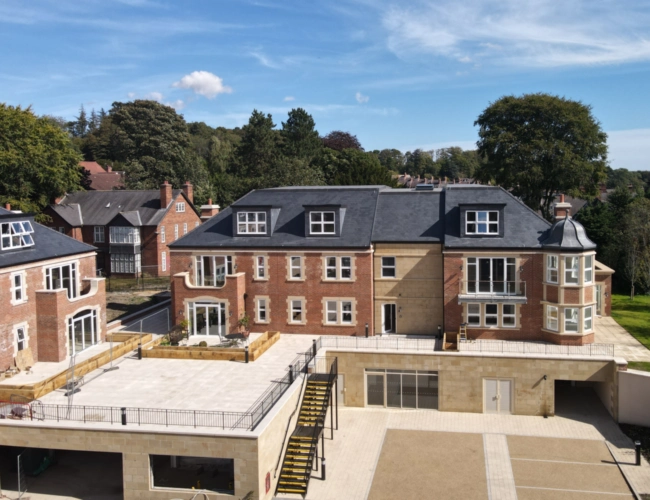
New-build opportunities in and around market towns can include flats as well as houses. This matters for buyers who want the reassurance of a contemporary, low-maintenance home while remaining within walking distance of the shops, services and social life that make town-centre living so attractive. An exclusive collection of two- and three-bedroom flats, for example, can offer a very different proposition from a larger family development on the edge of town.
The trade-off is pace. Popular towns are often busier than their surrounding villages, and town-centre homes may offer less private outdoor space. For many, however, the ability to leave the car at home for everyday errands is a valuable part of the appeal.
Villages with room for family life
Northumberlandâs villages continue to attract families and established buyers who value space, community and a more measured rhythm of life. Locations such as Belford, set between Alnwick and Berwick-upon-Tweed, provide access to schools, local services and the A1 while remaining close to some of the countyâs finest coastline and countryside.
This is where carefully planned new houses can make a meaningful contribution. Two-, three-, four- and five-bedroom homes give buyers the flexibility to choose for the life they have now, whether that means a home office, space for visiting family or room for children to grow. A village setting need not mean isolation, but it does require an honest view of how often you will use the car and which facilities you expect to have nearby.
The most successful developments take their cues from local architecture rather than imposing a standard house type on every place. Stone-built elevations, considered rooflines and a scale that respects neighbouring properties can help a new address settle naturally into an established community.
Coastal and heritage settings
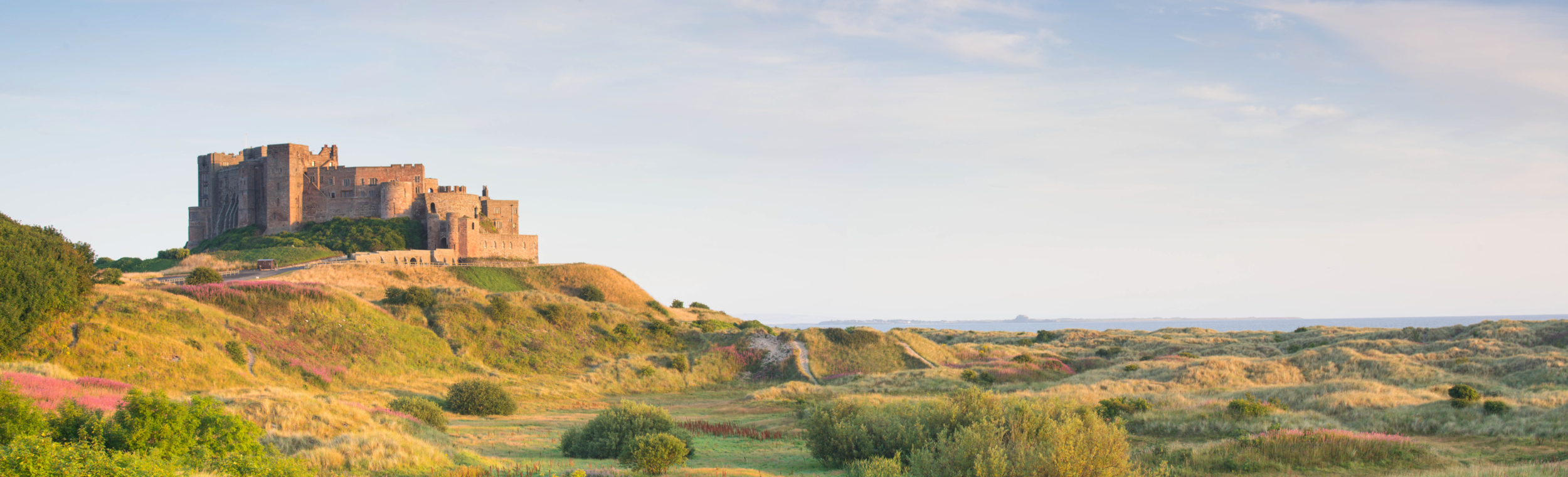
Along the Northumberland coast, demand is shaped by a rare combination of beaches, historic villages, castles and open views. Areas near Bamburgh offer an especially distinctive lifestyle, attracting buyers looking for a primary home, a considered second home or a long-term investment in a location of lasting character.
Building in these settings is necessarily more sensitive. Landscape, conservation considerations, local materials and the character of nearby buildings all matter. That can mean fewer opportunities and a more selective approach to development, but it also helps preserve the qualities that make these places sought after.
Heritage conversions sit slightly apart from conventional new build, yet they can offer the same contemporary standards in a more historic setting. The restoration of a former hall or country property can create individual homes with a depth of character that cannot be replicated on a generic estate. Buyers should expect a different balance of features, maintenance considerations and layout, but for some, that individuality is precisely the point.
How to Assess Where New Houses Are Being Built
A pin on a property portal or a roadside sales board is only the beginning. Before committing to a new development, spend time understanding the setting at different times of day. Drive the school run route, walk to the village shop or railway station, and visit at the weekend as well as during the working week.
Consider how the location will work through the seasons. A coastal village may be wonderfully peaceful in winter and livelier in summer. A rural road that feels effortless in June may need more careful thought during darker months. Neither is a reason to discount an area, but both should form part of a realistic decision.
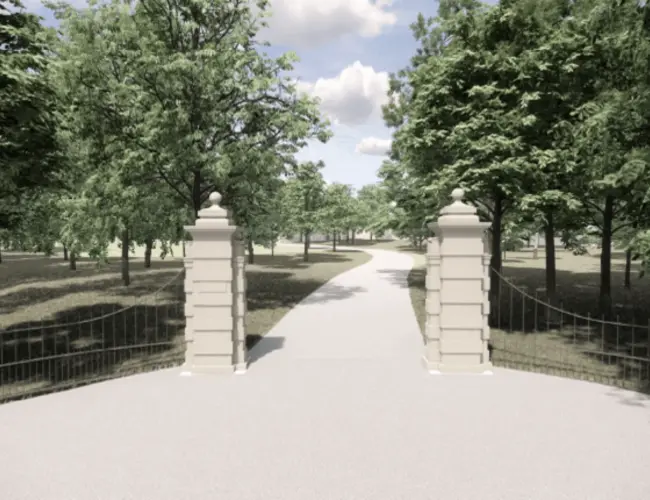
It is also worth looking beyond the boundary of the site. Ask what lies beside, behind and opposite the proposed homes. Established trees, fields, a public footpath or a mature street can shape the experience of living there just as much as the home itself. Equally, understand whether surrounding land is allocated for future development, rather than assuming a current view will remain unchanged.
For families, school catchments and the practical journey to childcare deserve the same attention as bedroom numbers. For downsizers, proximity to healthcare, parking, level access and manageable outside space may matter more. Buyers relocating from outside the county may place greater weight on rail access, road connections and the distance to Newcastle or Edinburgh. There is no single best location, only the one that fits your priorities well.
Look for Homes That Respect Their Setting
Not all new housing offers the same experience. The difference often lies in the decisions made before the first foundation is laid: the choice of site, the layout of streets, the materials used and the relationship between a home and its surroundings.
In Northumberland, traditional architectural references can sit comfortably alongside contemporary interiors. Natural stone, proportions informed by local buildings and carefully designed façades create a sense of permanence, while modern insulation, efficient heating, considered kitchens and flexible living space answer the needs of everyday life. This combination is especially valuable in places where buyers want a home that feels current without feeling out of place.
It is sensible to ask about specification as early as possible. Find out what is included as standard, how gardens and boundaries will be finished, whether parking is allocated, and how shared areas will be managed. Show homes are helpful, but they should be viewed alongside plans, elevations and a clear explanation of the exact plot being considered.
The developerâs approach to the location is equally revealing. Ida Homes, for instance, has focused its collection across Morpeth, Belford and the Bamburgh area on considered homes shaped by Northumberlandâs historic land, local character and varied lifestyles. That place-led thinking is worth seeking out wherever you choose to buy.
The Right Time to Register Interest
In desirable Northumberland locations, the most suitable homes are not always available once a development is fully built. Registering interest early can give buyers a clearer view of forthcoming release dates, home types and construction progress. It also creates time to consider options calmly, rather than making a rushed decision after viewing one remaining plot.
Early reservations can bring choice, but they require confidence in plans and specifications before the finished home is available to view. Buying later provides more certainty about the final streetscape and surroundings, although selection may be narrower. The better route depends on your appetite for choice, your moving timescale and whether you need to sell an existing property.
Ask direct questions about anticipated completion dates, reservation terms, upgrades, warranties and the process for arranging viewings. A considered developer will be clear about what is confirmed, what remains subject to construction, and what support is available as your move approaches.
A new home should give you a stronger connection to the place you have chosen, not simply a newer version of your current address. Whether that means town-centre convenience in Morpeth, family space near Belford or a heritage setting close to Bamburgh, take the time to choose a home whose surroundings will continue to reward you every day.