A home in Northumberland should feel as though it belongs to its setting. For buyers considering stone built new homes in Northumberland, that means more than an attractive façade: it means choosing a property that reflects the villages, market towns, coastline and open countryside that make this historic county so distinctive.
Stone has long shaped the character of Northumberland, from farmhouses and cottages to country halls and town-centre landmarks. When thoughtfully used in a new home, it creates a sense of permanence while allowing for the comfort, efficiency and considered layouts expected of contemporary living.
Why stone built new homes in Northumberland belong here
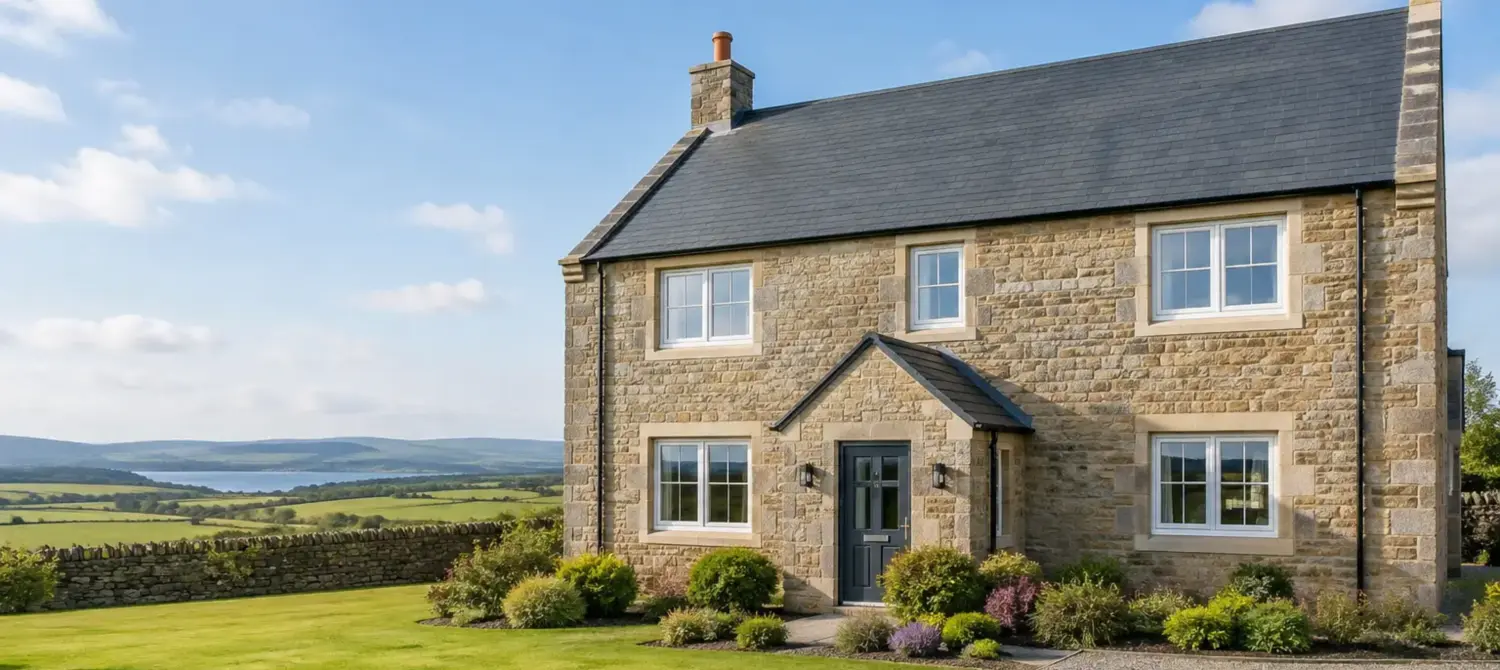
Northumberlandâs built heritage is remarkably varied, yet there is a common thread running through many of its most cherished places: natural materials, measured proportions and buildings that sit comfortably within the landscape. Stone-built homes can continue that tradition without attempting to imitate the past.
The appeal begins with character. A carefully selected stone exterior has depth, texture and tonal variation that weatherboard or a uniform brick finish cannot easily replicate. It changes with the light, taking on warmer tones in the early morning and a quieter, settled appearance against a Northumbrian sky. Over time, it gains rather than loses presence.
There is also a practical reason to build with local architectural cues in mind. In villages such as Belford, and in locations close to the coast or countryside, buyers often want a home that feels established from the day they move in. A property designed around traditional Northumbrian forms can make a positive contribution to its street scene from the outset, rather than appearing disconnected from the place around it.
This is not an argument for nostalgia at the expense of good design. The best new homes take the enduring qualities of traditional architecture - proportion, materiality and craftsmanship - and pair them with brighter internal spaces, efficient heating, high-performing insulation and layouts suited to modern family life.
Traditional materials, contemporary expectations
A stone exterior should be only one part of a considered specification. Buyers rightly expect a new home to work beautifully behind its traditional appearance, with well-planned kitchens, comfortable bedrooms, useful storage and living spaces designed for the way households live now.
That balance is particularly valuable for those moving from an older period property. Original homes can be full of charm, but may require substantial investment to improve insulation, heating or room flow. A thoughtfully designed new-build property can offer the visual confidence of a more established home alongside the reassurance of modern construction standards and a new-home warranty.
Energy performance is an important part of that proposition. Details such as insulation, glazing, ventilation and heating systems have a direct effect on year-round comfort and household running costs. Stone can provide a strong visual connection to local heritage, but the thermal performance of a new home depends on the complete wall construction and building design, not simply the material visible on the outside.
It is worth asking clear questions when viewing. Is the stone a full facing, a natural-stone cladding system or a carefully matched reconstituted stone detail? Each approach can have its place, provided it has been specified honestly and executed well. Buyers should focus on the quality of the finish, the craftsmanship around openings and corners, and how naturally the materials relate to the surrounding architecture.
Detail makes the difference
The character of a stone-built home is often decided in the quieter details. Window proportions, rooflines, chimneys, entrance canopies, boundary walls and landscaping all influence whether a development feels rooted in its location.
A house with an excellent stone finish can still feel out of place if its elevations are overly busy or its scale ignores neighbouring properties. Conversely, a contemporary interpretation of local architecture can feel entirely appropriate when the forms are restrained and the materials have been chosen with care.
This is where a place-led developer differs from a volume approach. Rather than applying the same house type across every site, the design should respond to the land, the local vernacular and the needs of the people likely to live there. At Ida Homes, that principle informs homes created for Northumberlandâs individual towns, villages and coastal settings.
A home that supports the Northumberland lifestyle
The decision to buy in Northumberland is rarely about the property alone. It is about the morning walk to an independent café, a short drive to a beach, weekends spent exploring castle grounds or the Cheviot foothills, and the practical value of having schools, shops and transport connections within reach.
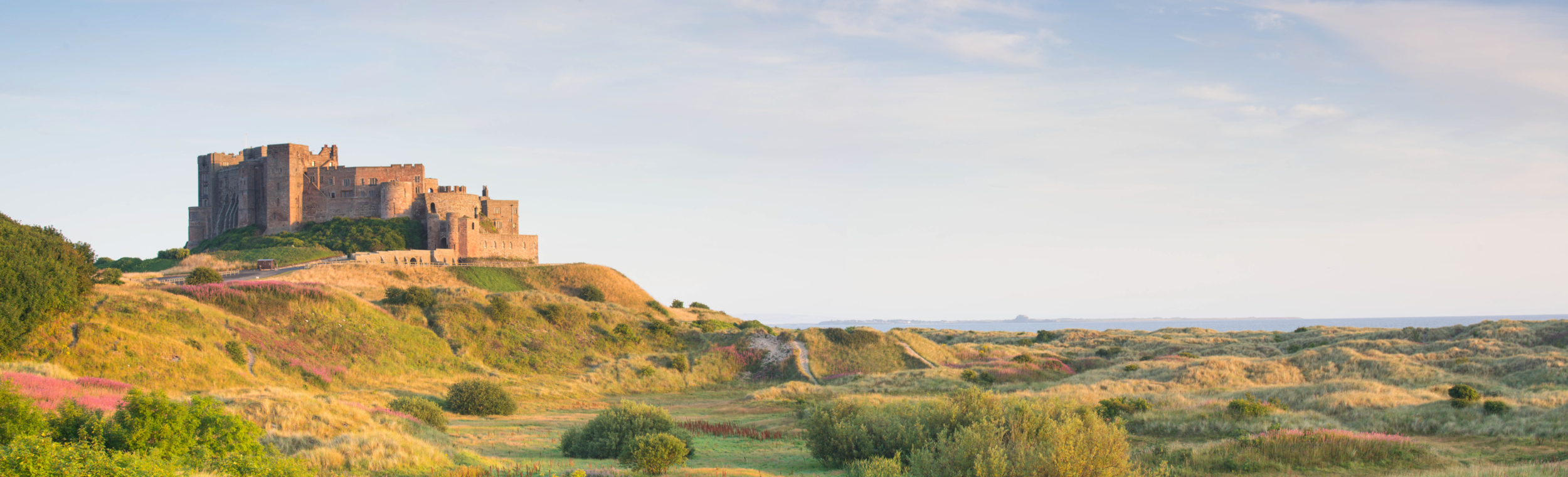
Stone-built homes suit this lifestyle because they feel at ease in both rural and connected locations. A family house in a well-served village can offer space for everyday life while retaining easy access to the wider county. An exclusive flat near Morpeth town centre can provide a more manageable home without losing a sense of local identity. A sensitively restored heritage conversion near Bamburgh offers another proposition entirely: remarkable architecture and a rare connection to the countyâs historic landscape.
The right choice depends on how you intend to use the home. Families may prioritise bedroom numbers, gardens and school catchments. Downsizers may place greater value on low-maintenance living, parking and walkability. Those seeking a second home or investment may be drawn to proximity to the coast, a historic market town or a location with lasting appeal beyond seasonal demand.
What to consider before reserving
A beautiful exterior is a strong starting point, but a considered purchase goes further. Visit at different times of day if possible. Notice the approach to the development, the outlook from principal rooms and how the home sits beside its neighbours. In a rural setting, consider the practicalities of winter travel, local services and broadband provision as well as the views.
Inside, think beyond the show-home styling. Measure whether furniture will fit as you need it to, assess storage for coats and outdoor equipment, and ask how flexible the rooms will be as circumstances change. A fourth bedroom may become a study, a snug could become a playroom, and a ground-floor room may matter more over time than it does today.
It is also sensible to understand the maintenance arrangements for shared spaces, private roads or landscaped areas. New homes may include management charges, particularly where developments have communal features. These are not necessarily a disadvantage, but they should be transparent and proportionate to the setting and services provided.
Finally, look at the wider development plan. A well-designed scheme should give each home enough breathing space and create a coherent street scene. Mature planting takes time to establish, so ask about the landscaping programme and the long-term vision for the site.
More than a period look
Stone-built new homes are not defined by a desire to recreate an old cottage in every detail. Their real value lies in creating homes that respect Northumberlandâs architectural language while meeting present-day expectations for comfort, efficiency and ease of living.
For discerning buyers, that combination brings a particular kind of confidence. The home can feel distinctive without being showy, traditional without being compromised, and contemporary without losing its connection to place.
When you find a home whose materials, proportions and setting feel right together, it offers something increasingly rare: a new beginning that already feels part of Northumberland.