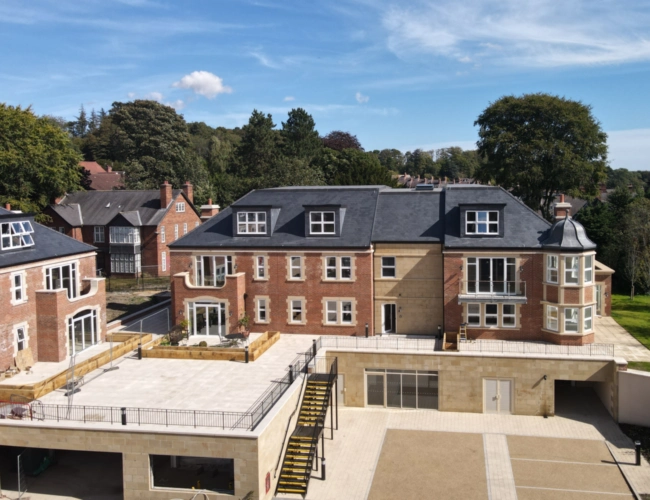
The appeal of a historic home is rarely found in one feature alone. It is in the weight of stonework, the proportions of original rooms and the sense that a building belongs to its landscape. The Shoreston Hall restoration is founded on that understanding: retaining the character that gives the hall its presence while creating homes suited to the expectations of modern life.
Set near Bamburgh, Shoreston Hall occupies a setting defined by Northumberland’s distinctive relationship with coast and countryside. This is a place of wide skies, established villages and an architectural tradition built to endure. A considered restoration offers an opportunity to live within that heritage without treating it as a museum piece.
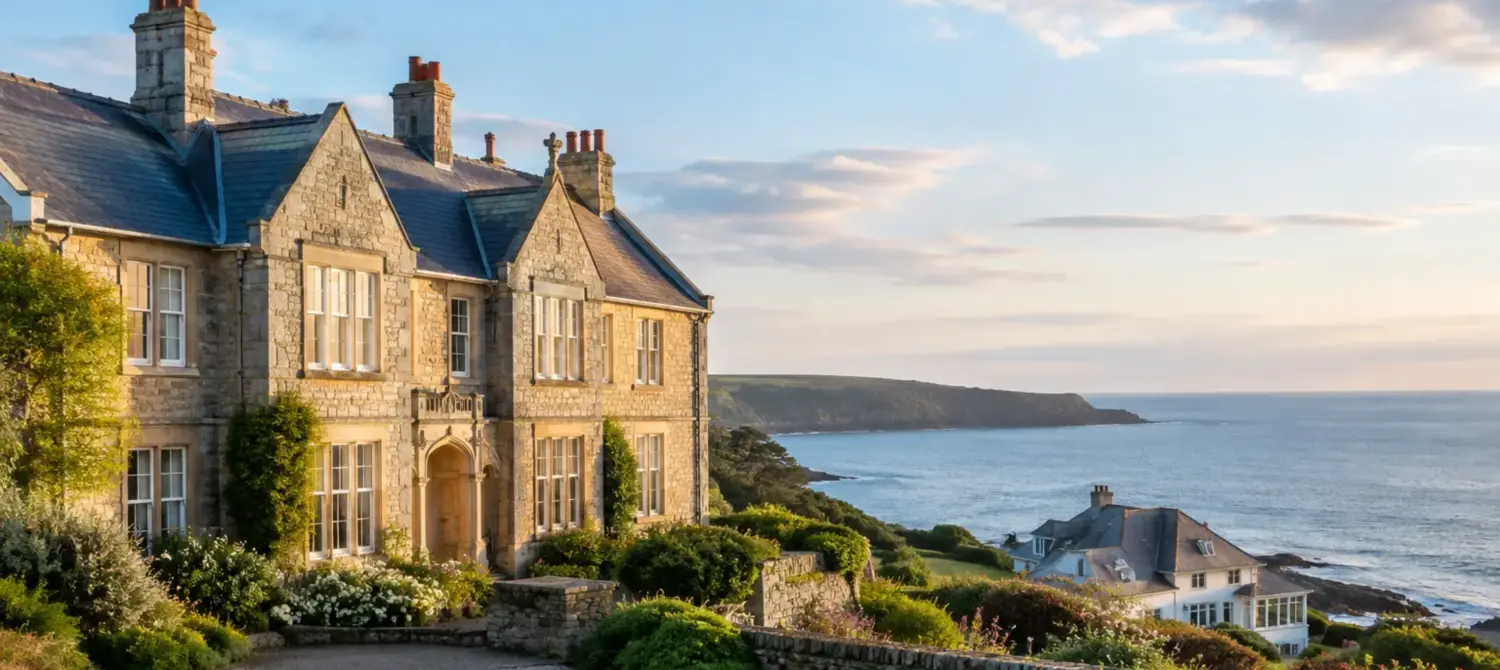
Why Shoreston Hall restoration matters
Heritage conversion is not simply a matter of updating an older building. It asks a more thoughtful question: what should remain, what must be repaired and what can be introduced to make the home work beautifully for the people who will live there now?
At Shoreston Hall, the value lies in respecting the building’s established identity. Historic halls have a quality that cannot be replicated by starting from a blank site. Their materials, scale and detailing have been shaped over time, and their relationship with the surrounding landscape is already part of their character. The restoration seeks to carry those qualities forward rather than replace them with a generic interpretation of country living.
For buyers, that can mean a home with genuine individuality. No two areas of a historic building necessarily offer the same arrangement, outlook or sense of space. The result is more considered than a conventional layout, with homes shaped by the fabric of the hall as well as the needs of contemporary residents.
A balance of heritage and contemporary comfort
A successful conversion should feel calm and natural, rather than caught between two competing styles. Original architectural features deserve room to speak for themselves, while contemporary finishes and services should make everyday living easier. The aim is not to recreate a past era in every detail, but to protect the qualities that make the building worth preserving.
That balance is particularly important in a primary residence. Buyers may be drawn to the romance of period architecture, but they also expect comfortable spaces for cooking, relaxing, working from home and welcoming family or friends. Good design brings these priorities together through well-planned interiors, practical storage, considered lighting and materials chosen to sit comfortably alongside the building’s traditional character.
There are trade-offs, and that is part of the appeal. A heritage home may not offer the uniformity of a new-build house, where every room follows a familiar formula. In return, it can offer greater distinction: generous ceiling heights, memorable proportions, mature surroundings and a tangible connection to Northumberland’s built heritage. The right choice depends on whether a buyer values standardisation or a home with a stronger individual story.
Preserving character without compromising daily life
The most successful heritage homes avoid superficial nostalgia. Keeping a feature merely because it is old is not the same as preserving character with care. Restoration requires attention to proportion, materials and the way old and new elements meet.
Stone, joinery and retained architectural details can give a home a sense of permanence. Contemporary interventions, when handled with restraint, can improve the way spaces are used without drawing attention away from the hall itself. This is where a place-led approach matters most: design decisions should respond to the building, not impose a style that could belong anywhere.
For purchasers considering a move to Northumberland, this approach also offers reassurance. A sensitively restored home is designed for the long term. It acknowledges the importance of local character while providing a setting that can support modern routines, changing family needs and a more relaxed pace of life.
Living near Bamburgh
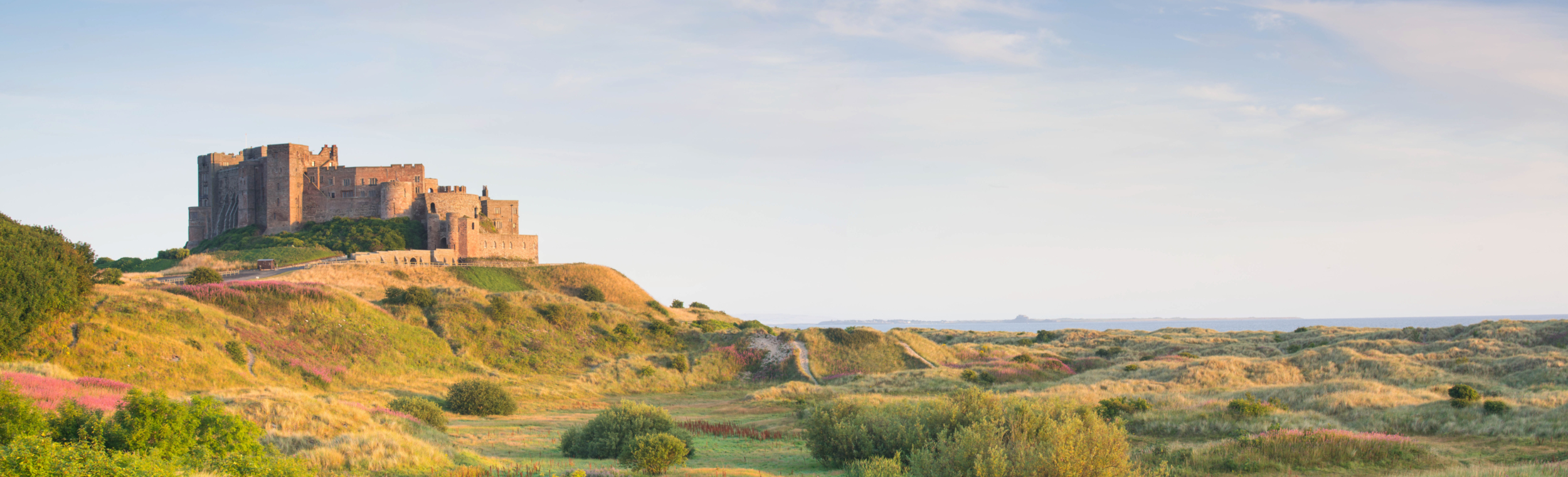
The location is central to the character of Shoreston Hall. Bamburgh is recognised for its castle, beach and dramatic coastline, but its appeal extends well beyond a day out by the sea. The village and surrounding area provide the kind of daily backdrop many buyers seek when moving north: independent places to eat and shop, access to open countryside and a strong sense of connection to the seasons.
Morning walks can lead towards the coast, while the wider landscape offers opportunities for country pursuits, visiting neighbouring market towns and enjoying Northumberland’s changing light. For those relocating from a busier setting, this combination of beauty and practicality is often decisive. A home can feel removed from the ordinary without feeling isolated.
It also suits different stages of life. Established couples may value the chance to exchange maintenance-heavy living for a more manageable, distinctive home. Professionals can benefit from space to work and a setting that offers a clearer separation between work and leisure. Families may be drawn to the room to explore, the proximity to the coast and the enduring appeal of a village-centred lifestyle. For others, Shoreston Hall may represent a refined second home in a part of the country they return to year after year.
A home shaped by its surroundings
Northumberland’s best architecture does not compete with the landscape. It belongs within it. Traditional stone-built forms, measured proportions and natural materials have long helped homes settle into villages and rural settings with confidence.
That principle remains relevant in restoration. Shoreston Hall does not need to borrow its identity from elsewhere. Its appeal comes from being rooted in this particular part of the county, close to a coastline that is both celebrated and deeply lived in. The hall’s conversion is therefore about more than individual interiors. It is about safeguarding a building that contributes to the texture of its setting.
What to consider when choosing a heritage conversion
A historic conversion rewards buyers who look beyond a floor plan alone. The experience of the building, the outlook from each home and the relationship between private space and the surrounding grounds all merit attention. An appointment provides the opportunity to understand how the architecture has informed the finished homes and which details make each one distinctive.
It is also worth considering how the home will be used across the year. Coastal Northumberland has an appeal in every season, from bright summer days on the beach to quieter winter weekends beside the fire. A well-designed home should support both: welcoming enough for guests, practical enough for everyday life and enduring enough to remain a place to return to over many years.
For investment-minded buyers, heritage and location can be equally significant. A limited collection in a sought-after setting has a different proposition from a larger development. While no property purchase should be viewed as guaranteed, homes that combine quality, scarcity and a strong local identity tend to hold a lasting appeal for discerning purchasers.
A considered future for a historic hall
The Shoreston Hall restoration reflects a belief that Northumberland’s heritage can continue to be lived in, not simply admired from a distance. It creates the prospect of a home where established architecture and contemporary comfort are not opposites, but complementary parts of the same considered design.
For those drawn to Bamburgh’s coastline, the enduring character of Northumbrian stone and the pleasure of living somewhere with a genuine sense of place, a restored home at Shoreston Hall offers a rare starting point. Ida Homes is creating homes that respect what came before while allowing the next chapter of the hall to be lived with ease.