A stone cottage with deep window reveals and a story in every uneven floorboard can be hard to resist. So can a light-filled home with underfloor heating, considered storage and the reassurance of everything being newly made. The decision between a new build versus period home is rarely just about style. It shapes how you spend your time, plan your budget and live day to day.
For buyers drawn to Northumberland, the choice carries particular weight. This is a county of handsome market towns, historic villages, coastal settlements and countryside where architecture belongs to the landscape. The right home should feel personal, but it should also support the life you want to lead - whether that means school runs and muddy boots, weekends by the coast, or a more manageable home close to shops and cafés.
New Build Versus Period Home: Start With How You Live
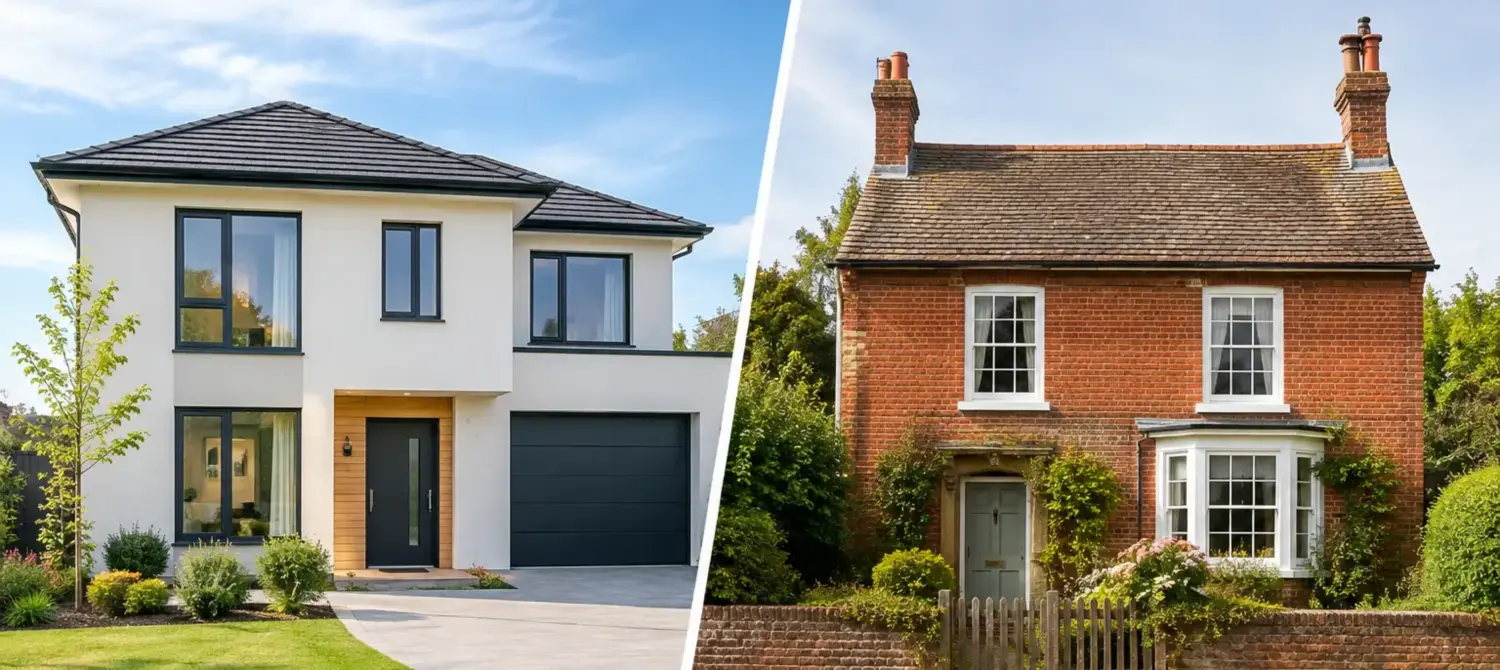
A period property often appeals because it is individual. Original stonework, sash windows, fireplaces, generous ceiling heights and established gardens create an atmosphere that cannot be reproduced exactly. In a village setting, an older house may sit at the heart of a settled community, within walking distance of a favourite pub, local school or familiar stretch of countryside.
Yet character asks something of its owner. Older homes can come with less predictable layouts, smaller kitchens, limited storage and rooms that were designed for another way of living. A beautiful inglenook fireplace may be the centrepiece of a sitting room, but it will not necessarily make the room easier to heat. A large garden may be a joy, but it also requires time and investment.
New homes begin from a different place. They are designed around contemporary routines: open-plan living where it works, well-proportioned bedrooms, practical utility areas, efficient heating and space for the details that make a household run smoothly. For families, that can mean fewer compromises. For downsizers, it may mean retaining quality and comfort without taking on more house than is needed.
The question is not whether one is inherently better. It is whether you want to restore and adapt a home over time, or arrive in one that has been carefully planned for modern living from the outset.
Character Can Be Built In
There is a common assumption that choosing a new build means sacrificing a sense of place. That may be true of generic development, but it need not be the case.
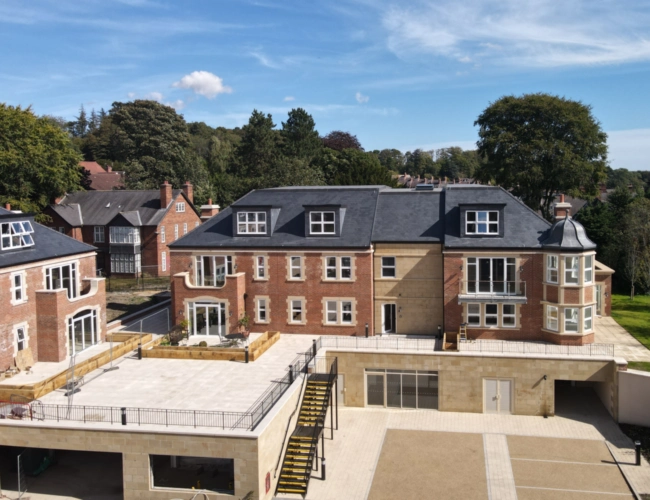
In Northumberland, material and proportion matter. Stone-built elevations, sympathetic rooflines and considered details can allow a new home to sit naturally within its surroundings, rather than competing with them. A well-designed development should respect the architectural language of its village or town while providing the light, efficiency and layout expected of a contemporary home.
This approach offers a compelling middle ground for buyers who love heritage but do not necessarily want the obligations of an older building. A new home can feel established in character while offering modern windows, insulation, wiring and plumbing behind the scenes. It is a distinction worth making: traditional appearance is not the same as outdated performance.
Heritage conversions offer another route altogether. A sensitively restored hall, farm building or former institutional property may retain features such as stone staircases, vaulted ceilings or original joinery, while being reimagined for contemporary life. These homes can be exceptional, although they may also have more individual layouts and specifications than a conventional new build.
Comfort, Efficiency and Running Costs
The practical case for a new build is often strongest after the first winter. Modern construction standards generally deliver better insulation, more efficient glazing and heating systems designed to use less energy. That can make rooms more comfortable throughout the year and offer greater clarity when budgeting for household costs.
Period homes vary widely. Some have been comprehensively upgraded with insulation, secondary glazing, efficient boilers and carefully improved ventilation. Others retain features that contribute to heat loss or damp, particularly where historic fabric has been altered without proper understanding. Thick stone walls can be wonderful, but they need appropriate maintenance and breathable materials.
Buyers should avoid treating an EPC rating as the whole story. It is a useful comparison, but a home’s comfort also depends on orientation, window condition, heating controls, roof insulation and how it has been cared for. Ask for recent utility information where available, and commission a survey that reflects the age and construction of the property.
With a new home, it is also sensible to understand the heating system before reserving. Ask how it operates, what maintenance it requires and how the home is ventilated. Good design should feel intuitive, not complicated.
Maintenance: Known Work or Future Possibility?
A period property may have survived for a century or more, but that does not make its future maintenance predictable. Roof coverings, pointing, timber windows, drains and older services all deserve close attention. A thorough survey can identify immediate concerns, yet it cannot remove every unknown behind old plaster or beneath floorboards.
For some purchasers, this is part of the appeal. They enjoy caring for a distinctive building and making improvements gradually, with an eye on craftsmanship and conservation. For others, particularly those relocating, balancing demanding work or seeking a lock-up-and-leave base, it may feel like an unwelcome commitment.
A new build offers a clearer starting point. Major elements are new, and a structural warranty provides reassurance during the early years of ownership. Snagging is still an essential part of the process. Visit carefully, test fittings, check finishes in good light and raise issues promptly. New does not mean flawless, but it does mean any early adjustments should be addressed through a defined process rather than becoming an open-ended restoration project.
There are ongoing responsibilities with both. New developments may have estate management charges for shared landscaping, private roads or communal areas. Period homes may sit within conservation areas or be listed, which can affect what you are permitted to change. Neither is automatically a disadvantage, but each should be understood before you commit.
Space, Storage and the Everyday Details
When viewing property, it is easy to be led by the most memorable room. A vaulted drawing room or newly fitted kitchen makes an impression, but everyday living takes place in the less glamorous spaces too.
Consider where coats, prams, walking boots and sports equipment will go. Think about whether the kitchen works when more than one person is cooking, whether bedrooms have useful furniture walls, and how the home will feel on a dark weekday evening rather than a sunny Saturday viewing. Parking, bin storage, broadband availability and access to local services are equally relevant.
Period homes can offer surprisingly generous rooms, but their circulation may be less efficient. New homes often make better use of their footprint, although buyers should assess room dimensions rather than relying on bedroom numbers alone. Bring a tape measure, or at least the dimensions of your key furniture, and imagine the rooms in use.
Location May Be the Deciding Factor
A period house can place you on a sought-after street, beside a village green or close to the centre of a historic town. That established setting is often its greatest advantage. Mature gardens, familiar neighbours and immediate access to local life can be difficult to replicate.
New-build locations can offer their own appeal, especially where a development has been selected with genuine regard for its setting. A well-positioned home in Belford, for example, can offer access to village life and the Northumberland coast, while a flat near Morpeth town centre can make daily amenities, rail connections and riverside walks feel close at hand.
Look beyond the plot itself. Visit at different times of day, walk the route to shops or school, and understand local plans for the surrounding area. In rural and coastal Northumberland, mobile signal, drainage arrangements and travel times may matter as much as the view from the kitchen window.
Make a Choice You Can Keep Enjoying
A period home may reward patience, imagination and a willingness to care for something irreplaceable. A thoughtfully designed new home may give you more time to enjoy Northumberland itself, with contemporary comfort in a setting that still feels rooted in its surroundings.
The most satisfying choice is usually the one that fits your next chapter, not simply the home that photographs best. Give equal attention to the character you admire, the practicalities you need and the place where you want your days to unfold.