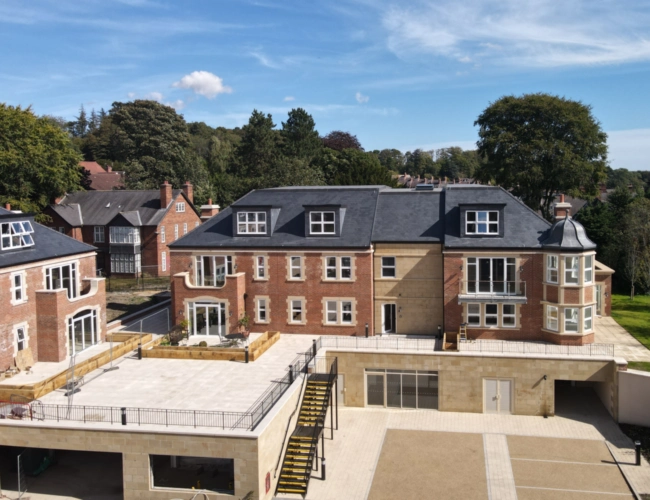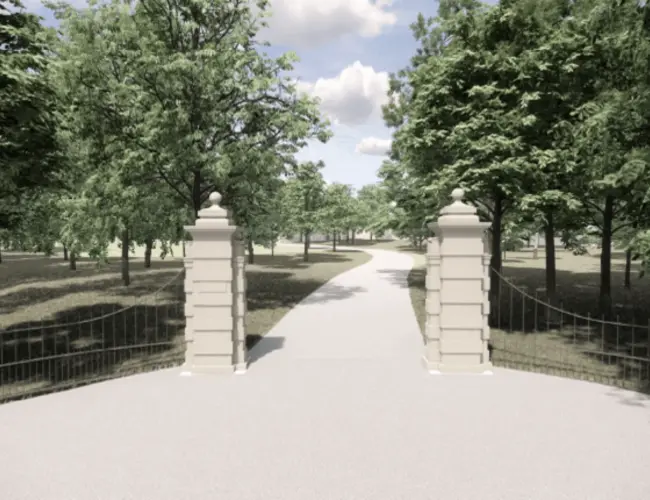

A reservation can be the moment a move from town, city or an older property becomes real: a particular front door, a view across open countryside, or a home within easy reach of Morpeth’s independent shops and amenities. Knowing how to reserve a new build home means you can make that decision with a clear understanding of the commitment involved, rather than feeling hurried by a desirable plot or an approaching build milestone.
For many buyers, a new home offers a rare balance: contemporary layouts and energy-efficient construction, alongside materials and architecture that belong to their setting. In Northumberland, where village character, coast and historic surroundings matter deeply, choosing the right home is about more than bedroom numbers. It is about selecting a place that will suit your everyday life for years to come.
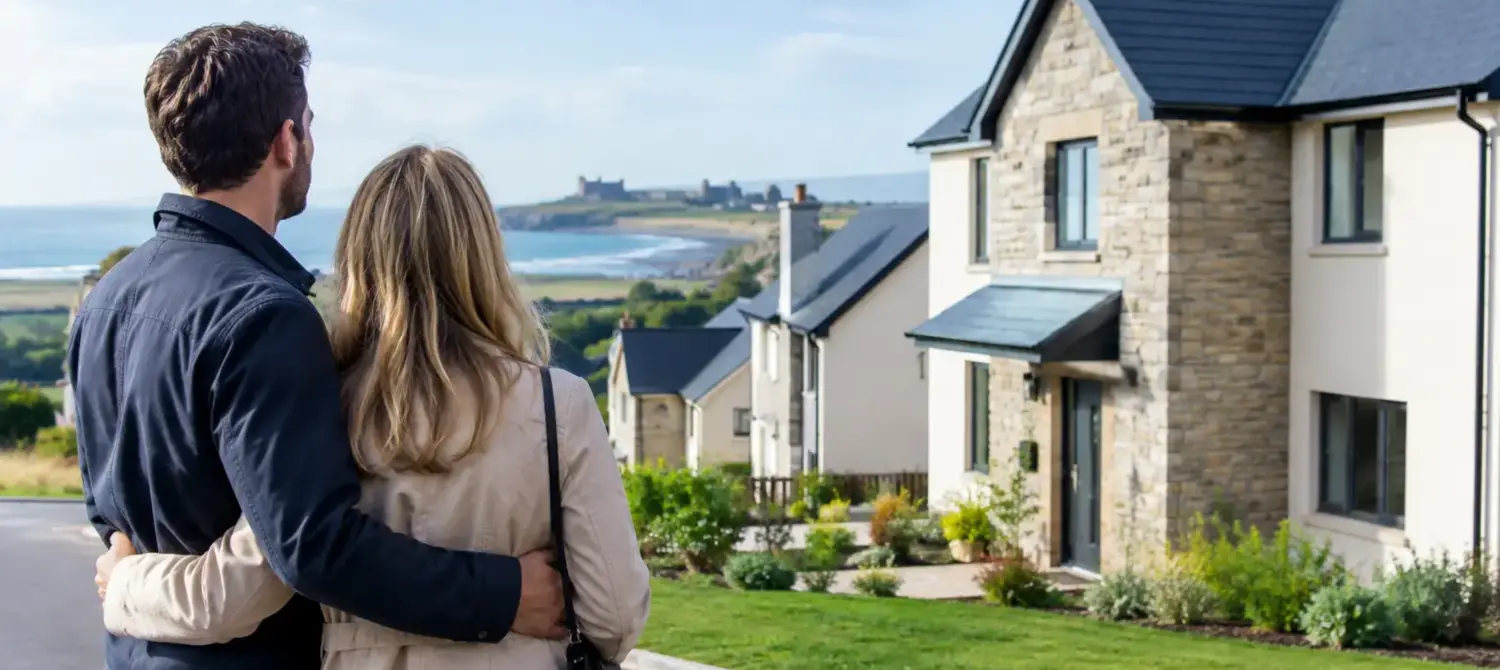
How to reserve a new build home: the process
Reserving a new build home usually begins once you have identified the development, house type and individual plot you would like to buy. A sales appointment is the best opportunity to consider the practicalities in detail, including the orientation of the home, garden size, parking, anticipated completion date and any available choices for finishes.
If you are buying from plan, ask to see the site layout and the drawings for your chosen home. This will help you understand its position within the wider development, nearby roads, shared spaces and the relationship with neighbouring plots. If a show home is available, it can also give a useful sense of room proportions, specification and the quality of the finished interiors, although its layout and upgrades may differ from the home you reserve.
Once you are ready to proceed, the developer will ask you to complete a reservation agreement and pay a reservation fee. The agreement takes the home off the market for an agreed period, giving you time to appoint a solicitor, progress your mortgage application and prepare for exchange of contracts.
The reservation fee, the reservation period and the circumstances in which a fee may be refunded vary between developers and developments. Read the agreement carefully before signing. It should set out the purchase price, plot details, what is included, key dates, the fee paid and the next steps expected of both parties.
Choose the plot, not just the house type
Two homes with the same floorplan can offer quite different experiences. A corner plot may have a larger garden or a more open aspect; another may be closer to visitor parking or a route through the development. For downsizers, the distance from the parking space to the front door may matter more than an additional reception room. For families, morning light in the kitchen, storage for boots and bicycles, and the relationship between the garden and living space may be decisive.
Consider how the home will work across the seasons. Northumberland’s changing light is part of its appeal, but it is worth asking which rooms receive afternoon sun, whether there is shelter in the garden and how the outdoor space will feel on a coastal or countryside site.
A considered development should also reflect its location. Stone detailing, traditional proportions and materials that sit comfortably within a village or historic town can make a meaningful difference to the long-term character of a home. This is particularly relevant if you are moving for the landscape and sense of place, rather than simply for additional square footage.
Check what is included in the price
Before reserving, ask for a clear specification for your chosen home. The base specification may include fitted kitchen units, appliances, bathroom fittings, flooring in certain areas, landscaping or external lighting, but the detail differs from one scheme to another.
It is sensible to clarify whether any extras shown in marketing imagery or a show home are standard, optional upgrades or display-only items. If choices such as kitchen finishes, tiles, wardrobes or flooring are available, establish the decision deadline. On homes already well advanced, some choices may have been finalised; on earlier releases, you may have greater scope to personalise the interior.
Also ask about practical points that can be easily overlooked: broadband provision, electric vehicle charging, bin storage, boundary treatments and the management of any shared landscaped areas. A good sales team should be able to explain these matters plainly.
Be financially ready before you reserve
A mortgage agreement in principle is not always essential before a first conversation, but it is highly advisable before reserving. It gives you a realistic indication of your borrowing position and demonstrates that you are ready to proceed. If you are selling an existing home, your position in the chain will also influence the timing and certainty of your purchase.
Speak with a mortgage adviser who understands new-build purchases. Some lenders have particular criteria around property type, loan-to-value and the interval between exchange and completion. This can be especially relevant for an off-plan purchase, where completion may be several months away, or for a heritage conversion with its own distinctive features.
You should also budget beyond the purchase price. Depending on your circumstances, this may include legal fees, mortgage arrangement and valuation costs, removal expenses, survey costs, stamp duty land tax and the cost of any optional upgrades. The reservation fee may be deducted from the final balance, but confirm this in writing rather than assuming it will be.
Appoint a solicitor without delay
The reservation period is often limited, commonly a matter of weeks. Your solicitor therefore needs to begin work promptly. Choose a conveyancer with experience of new-build transactions and, where applicable, leasehold flats or conversions of historic buildings.
Your solicitor will review the contract pack, title, planning documentation, building warranty arrangements and the terms of any estate or management charges. For a leasehold flat, they will also examine the lease, service charge provisions and responsibilities for communal spaces. For a house, they will check boundaries, rights of way, adopted roads and any obligations attached to the development.
You will normally need to provide identification, proof of address and evidence of the source of your deposit early in the process. Supplying these documents quickly can prevent avoidable delay. If funds are coming from a sale, gift, investment or inheritance, tell your solicitor at the outset, as additional checks may be required.
Understand exchange and completion
Reservation is not the same as a legally binding purchase. The binding commitment is made when contracts are exchanged and your deposit is paid, usually through your solicitor. At that point, withdrawing may have financial consequences, so do not feel pressured to exchange until you understand the contract and your finances are in order.
On a completed home, you may exchange and complete within a defined timetable. With an off-plan home, the contract may provide for completion on notice once the property is ready. This means the developer gives formal notice that the home has reached the required stage, and you then complete within the period set out in the contract.
Ask for an indicative build programme, while recognising that construction schedules can change due to weather, materials, utilities work or final inspections. A realistic approach is useful: an estimated completion date can help you plan, but it should not be treated as a date to book removals until your solicitor confirms completion arrangements.
Use the reservation period well
The weeks after reservation should bring certainty, not simply paperwork. Keep in regular contact with your mortgage adviser, solicitor and sales contact. If a question arises about the layout, specification or timescale, raise it early, when there is still time to resolve it properly.
This is also the right time to think about the move itself. Measure significant furniture, consider storage requirements and plan the rooms that will support daily routines from the first evening. A home near Belford might suit a growing family’s access to coast and countryside; a centrally placed flat in Morpeth may offer an easier, more connected way of living. The right decision is personal, and the best plot is the one that fits the life you want to lead.
Before completion, you will usually have an opportunity to inspect the home and identify any matters requiring attention. Keep a written record, take photographs where useful and understand how any snagging items will be addressed. A carefully built home should be presented with pride, and a clear handover process gives you confidence as you take possession.
Ida Homes approaches each development with the belief that contemporary living should sit naturally within Northumberland’s enduring architectural character. Reserving a home is therefore not simply a transaction. It is the point at which you begin to make a considered place in this historic county your own.
When you are ready to reserve, take the time to read every document, ask direct questions and make decisions at a pace that feels informed. The finest new homes reward that care: not only on moving day, but through the ordinary, valued moments that follow.