A change in the housing market is rarely felt first in a headline. It is seen in the homes buyers pause to revisit, the villages they return to at the weekend, and the questions asked at an appointment: is there a railway connection nearby, can we walk to the shops, will this home suit us in ten years? For those considering a move in this historic county, housing market trends are best understood through the enduring appeal of place as much as through national commentary.
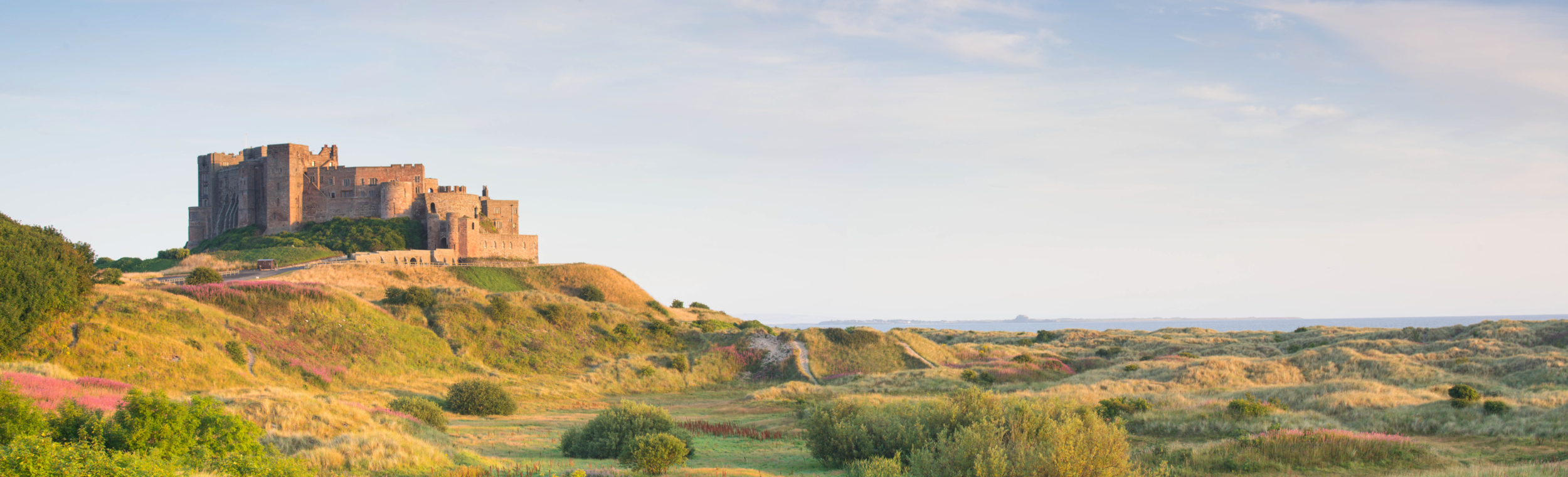
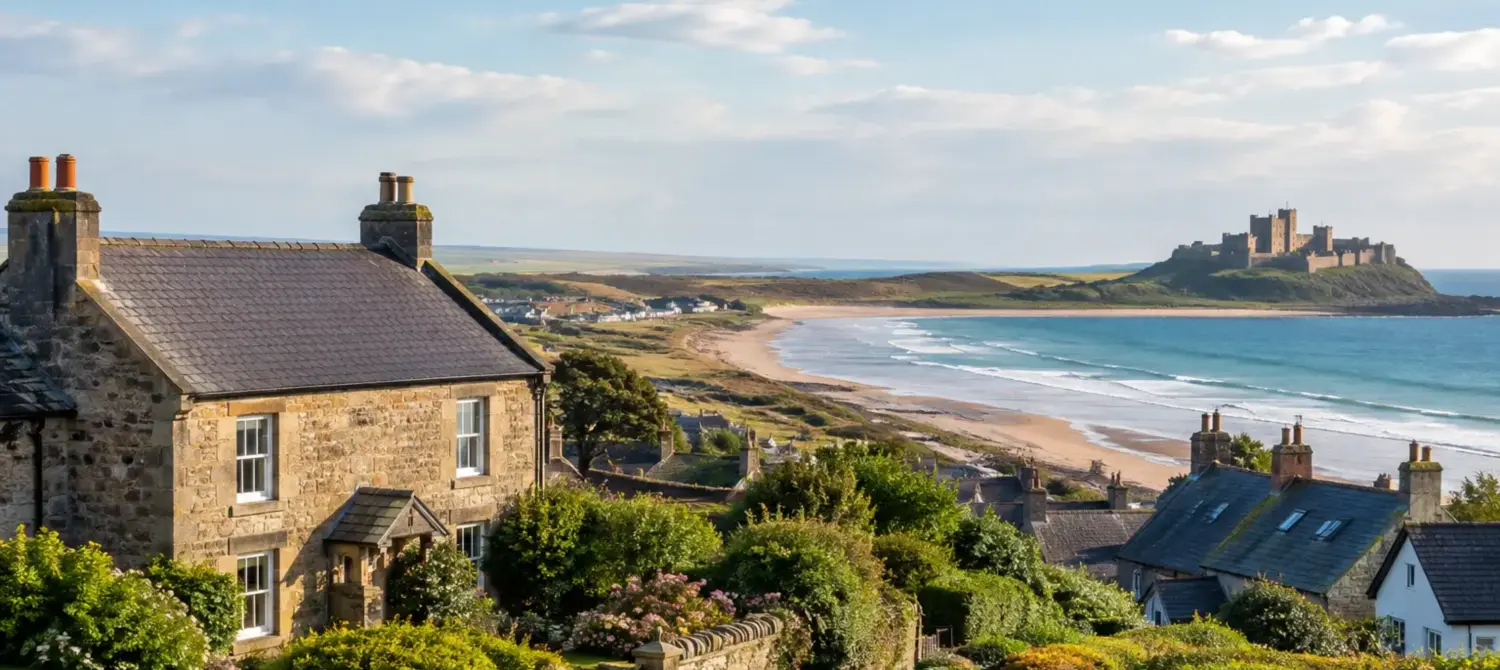
Northumberland has long offered something increasingly valued by discerning buyers: room to live well, a strong sense of identity and access to both landscape and everyday convenience. From the market-town character of Morpeth to the village life of Belford and the exceptional coastline around Bamburgh, demand is shaped by the qualities that cannot be replicated elsewhere.
Housing market trends are increasingly local
National house price figures can provide useful context, but they do not tell the full story of a county with such varied locations. A well-positioned two-bedroom flat close to Morpeth town centre serves a different need from a four-bedroom family house in a Northumbrian village or a carefully restored home near the coast.
Buyers are assessing the complete setting. They may be moving for a better balance between work and home life, seeking more manageable accommodation after years in a larger property, or choosing a base for family holidays and longer stays in the county. Their priorities may differ, yet the strongest thread is consistent: a home should make daily life more enjoyable, not simply offer additional square footage.
This is why local knowledge matters. Proximity to independent shops, schools, a respected pub, open countryside or a railway station can have a meaningful effect on both the experience of living somewhere and its long-term appeal. In Northumberland, character is not an optional extra. It is often central to a buyer's decision.
Quality is carrying greater weight
When buyers have more choice or take longer to decide, build quality becomes easier to distinguish. Attention naturally turns to the materials used, the layout of the rooms, energy performance and how a development sits within its surroundings.
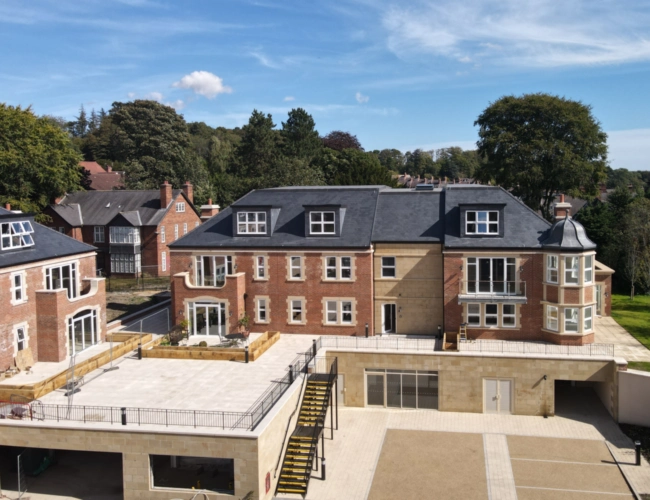
For a new-build home, contemporary standards should not mean a generic appearance. Stone-built exteriors, sympathetic proportions and considered detailing can allow a home to feel part of its setting while offering the insulation, efficient heating and practical layouts expected of modern living. That balance is especially important in Northumberland, where villages and market towns have such a recognisable architectural language.
The same principle applies to heritage conversions. A historic building brings presence, craftsmanship and a connection to the past, but a successful conversion must also deliver comfort for contemporary life. Buyers should look closely at how original features have been respected, how spaces have been planned and what practical improvements have been made behind the walls.
A lower initial price can be appealing, but it is only one part of the equation. A well-designed home in a carefully chosen location may offer better day-to-day value, lower running costs and more enduring desirability than a superficially comparable property lacking those foundations.
Energy performance is now part of the conversation
Running costs have become a more prominent consideration for buyers at every stage of life. New homes can offer an advantage through modern insulation, efficient glazing and heating systems designed for current standards. For families, this may mean a more predictable household budget. For downsizers, it can mean a home that is simpler and more comfortable to manage.
Energy performance should be considered alongside orientation, window placement, storage and the practical rhythm of the house. A beautiful kitchen matters, but so does having a useful utility space, room for coats after a coastal walk and flexible accommodation for visiting family.
The return of the considered move
The fastest transaction is not always the right one. Current housing market trends point towards a more deliberate approach among many purchasers, particularly in premium and lifestyle-led markets. Buyers are researching areas carefully, comparing the cost of improving an older house with buying a finished new home, and thinking beyond their immediate circumstances.
For some, that means choosing a two-bedroom home with less maintenance and more freedom to enjoy the county. For others, it means securing the additional bedroom, garden and workspace that will support a growing family. A move prompted by retirement may be about remaining close to friends and amenities without compromising on space, light or quality.
This longer view is encouraging a preference for adaptable homes. A separate study, a generous bedroom that can become a hobby room, or an open-plan living area with a quieter adjoining space can all make a property work harder over time. The best layouts are not merely impressive on first viewing. They continue to make sense once the furniture is in place and ordinary life begins.
Why Northumberland's lifestyle remains compelling
Northumberland offers a rare combination of access and escape. Morpeth provides a lively town-centre setting, independent businesses and connections south, while coastal and rural locations offer beaches, dark skies, historic landmarks and a quieter pace. The appeal is not limited to one type of buyer because the county provides different versions of a well-lived life.
A family may value a village community and access to good local schooling. Professionals may be drawn to a home that supports hybrid working without giving up easy travel links. Those approaching retirement may want the coast, local walks and a home that requires less upkeep. Each decision is personal, but all benefit from choosing a location with genuine depth rather than a passing reputation.
There is also a distinction between visiting Northumberland and living here. A place that feels charming on a summer afternoon must still work in winter: with practical routes, local services, a welcoming community and a home designed for the climate. Buyers who spend time in an area at different points in the year are often better placed to judge whether it is right for them.
Supply can be as significant as demand
Desirable Northumberland locations often have limited opportunities for new homes, particularly where development must respect village character, historic settings and sensitive landscapes. This can support the appeal of carefully planned schemes, but it also means buyers may need to act with clarity when the right property becomes available.
That does not mean rushing. It means being prepared: understanding the preferred location, the non-negotiable features and the realistic budget before beginning a search. A clear brief makes it easier to recognise a suitable home when it appears, especially where the number of well-designed properties is naturally constrained.
What to look for before making a decision
A considered purchase begins with the wider setting, then moves steadily towards the detail. Visit at different times of day if possible. Consider the approach to the property, parking, outdoor space, neighbouring buildings and the routes you will use most often. In a new development, ask how the architecture responds to the surrounding area and what the completed setting will feel like.
Inside, look beyond decorative finishes. Consider natural light, ceiling heights, storage, room proportions and how easily the home can accommodate your routines. If you are buying off-plan or early in construction, reviewing plans carefully and discussing specifications can provide valuable reassurance.
It is equally sensible to consider the ownership horizon. A home bought for five, ten or twenty years should suit more than the present moment. The right choice may be a compact town-centre flat with everything close at hand, a generous family house with room to grow, or a distinctive conversion that brings a remarkable piece of Northumberland history into everyday life.
Ida Homes believes that solid foundations are built on historic land, thoughtful design and a genuine understanding of the places people choose to call home. Market conditions will always move in cycles, but a considered home in a location with lasting character offers something more dependable: the prospect of living well, every day.