A weathered stone façade, deep window reveals and a building that has stood through generations carry a quality that cannot be replicated. Heritage property conversions Northumberland offer the opportunity to live with that sense of permanence, while enjoying the comfort, efficiency and thoughtful layout expected of a contemporary home.
From former halls and agricultural buildings to distinguished town properties, Northumberlandâs historic buildings are woven into its villages, market towns and coastline. Converting them well is not simply a matter of retaining attractive original features. It calls for careful judgement: protecting what gives a building its identity, repairing its fabric honestly and introducing modern life without compromising its character.
Why Northumberland is made for heritage conversions
Northumberlandâs built heritage is remarkably varied. In the south, Georgian streets and historic estates sit close to thriving towns such as Morpeth. Further north, traditional stone farmsteads, country houses and coastal buildings occupy a landscape shaped by farming, industry and the border history of the county. Each has a distinct relationship with its setting.
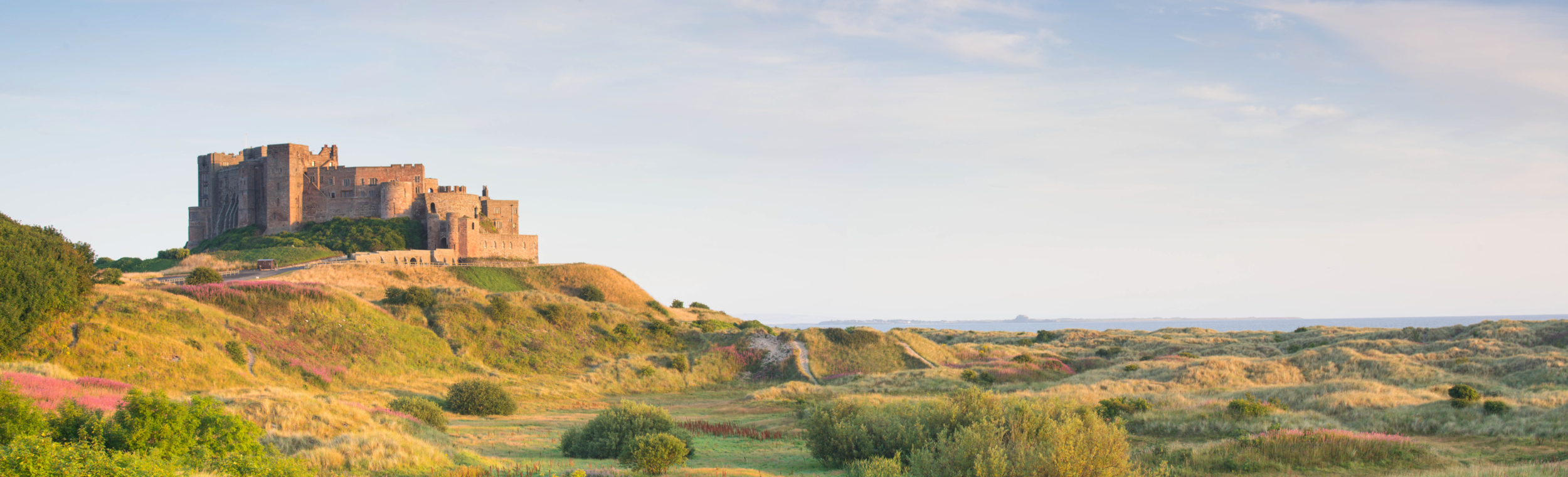
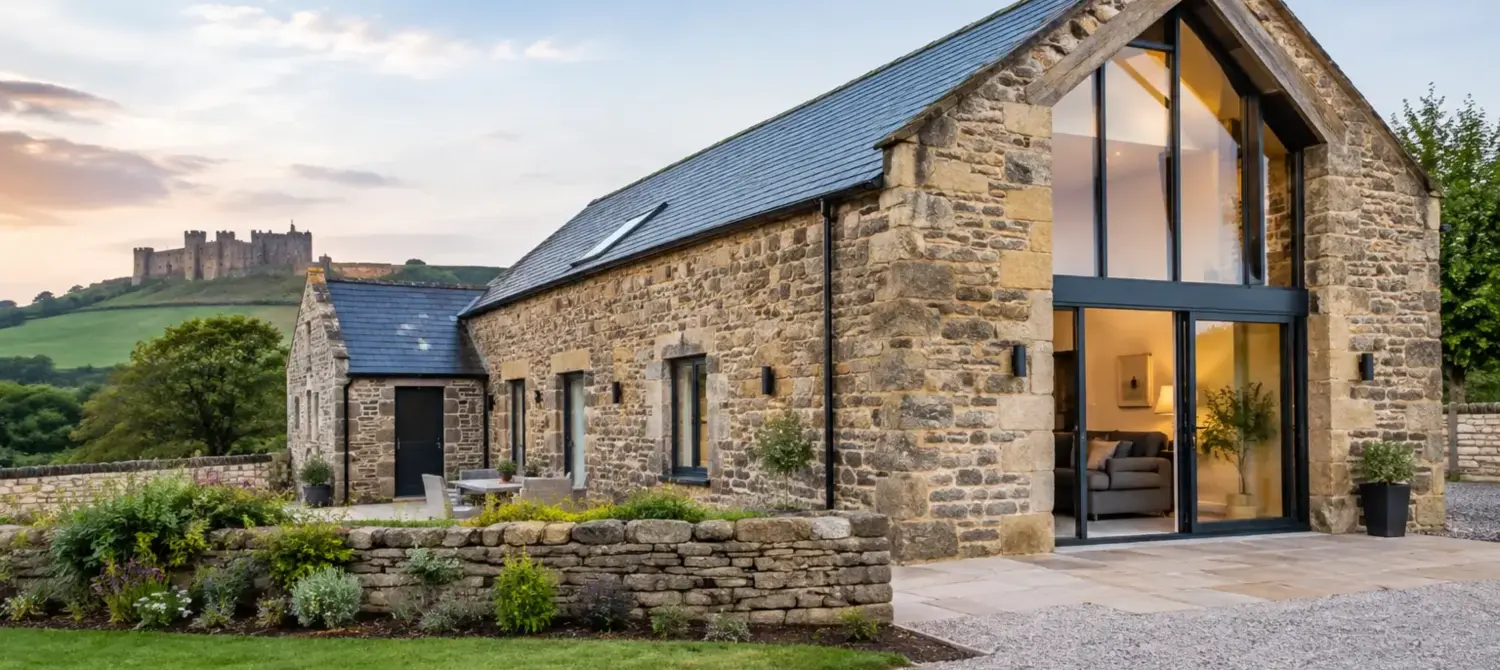
That relationship matters. A conversion near Bamburgh should feel at home among the stone cottages, open fields and far-reaching coastal skies that surround it. A historic building in a market town may call for a different response, balancing the original proportions of the building with access to everyday amenities, independent shops, schools and transport connections.
For buyers, the appeal is both practical and emotional. A well-conceived conversion can provide generous ceiling heights, substantial walls, distinctive joinery and a setting with genuine provenance. It can also offer a more individual alternative to a conventional new-build home, without asking owners to accept the compromises often associated with an unmodernised period property.
What makes a heritage conversion successful?
The best heritage conversions begin with respect for the existing building. Its plan, materials, condition and historic importance should shape the design from the outset. Trying to force a standard house layout into an old structure rarely produces the most convincing result. Instead, the architecture should guide the home.
A former hall, for example, may lend itself to grand reception spaces and carefully placed bedrooms, while an agricultural building might benefit from an open kitchen and living area that makes the most of its long views and original openings. The aim is not to recreate the past, but to let the buildingâs strongest qualities inform a calm, considered new chapter.
Original fabric comes first
Stone walls, slate roofs, timber beams and original openings are more than decorative details. They are the fabric that makes a heritage property recognisable and valuable. Where possible, these elements should be retained and repaired rather than replaced.
This does not mean every old feature must remain untouched. Some later alterations may have little architectural merit, while repairs can be necessary to protect the building for the future. The key is to distinguish between what is historically meaningful and what is simply worn out or unsuitable. Sensitive repair, using compatible materials and skilled craft, tends to achieve a result that feels settled rather than newly manufactured.
Modern comfort needs careful integration
Buyers should not have to choose between character and comfort. High-quality insulation, efficient heating, modern kitchens, well-planned bathrooms and reliable connectivity all have a place in a heritage conversion. The challenge is to introduce them with restraint.
Insulation and ventilation deserve particular care. Historic buildings often manage moisture differently from modern cavity-wall construction, and inappropriate materials can cause damage over time. A considered approach takes account of how the building breathes, where heat is lost and how the new services can be fitted without needlessly disturbing original walls, floors or ceilings.
The same principle applies to windows and doors. Improving thermal performance is valuable, but replacement designs that ignore original proportions can alter the entire appearance of a building. In many cases, carefully specified secondary glazing, sympathetic repairs or high-quality, appropriately detailed replacements provide a better balance.
Planning, listing and the value of patience
Many heritage property conversions in Northumberland are subject to planning controls, and listed buildings require listed building consent for works that affect their character. Buildings within conservation areas may also face additional requirements. These safeguards are not obstacles to good design. They ensure that changes are appropriate to the building and its setting.
Early dialogue with experienced architects, heritage specialists and the local planning authority can make a material difference. It helps establish what is possible before plans become fixed, particularly where proposals involve extensions, new openings, altered rooflines or significant internal change.
Patience is part of the process. Surveys may reveal concealed structural issues, historic details may require specialist repair, and approval can take longer than a straightforward new-build scheme. Yet this diligence protects both the building and the purchaser. When a conversion has been properly investigated and carefully delivered, its quality is visible in the details as well as the finished rooms.
The balance between old and new
A successful conversion should feel coherent rather than theatrical. There is no need to fill every room with overtly rustic finishes simply because a building is old. Clean-lined cabinetry, contemporary lighting and refined bathrooms can sit beautifully alongside original stone or timber, provided the materials and proportions have been chosen with care.
Natural finishes often work particularly well in Northumberland properties. Stone, oak, painted timber, brushed metal and muted tones sit comfortably with the countyâs changing light and enduring architecture. They also allow the building itself to remain the focus.
Extensions require an especially thoughtful response. A traditional stone addition may be appropriate in some settings, while a clearly contemporary element can work elsewhere if it is subservient to the historic structure and sensitively detailed. There is no single formula. The right answer depends on the significance of the building, the views, the surrounding settlement and the way the home will be used.
What buyers should look for
When considering a converted heritage home, look beyond the immediate charm of exposed beams or a handsome exterior. Ask how the conversion has addressed the essentials of modern living: thermal performance, heating, storage, natural light, parking and the quality of the internal layout.
It is equally worth understanding the buildingâs past and any ongoing responsibilities. Listed status may affect future alterations, while communal areas in a converted building can involve management arrangements. These are not reasons to hesitate, but they should be clear before a purchase is made.
Pay attention to the setting as well. Northumberlandâs appeal lies in the variety of life it offers. A home near the coast may place beaches, historic landmarks and village pubs within easy reach. A town-centre conversion can bring cafés, shops and rail connections closer to hand. Rural homes may offer space and privacy, but a buyer should consider daily journeys, services and the changing character of the seasons.
A lasting way to make a home in Northumberland
Heritage conversions have a particular place in a county where architecture and landscape are so closely connected. They preserve buildings that might otherwise fall out of use, retain the character of established places and create homes with a depth that new materials alone cannot provide.
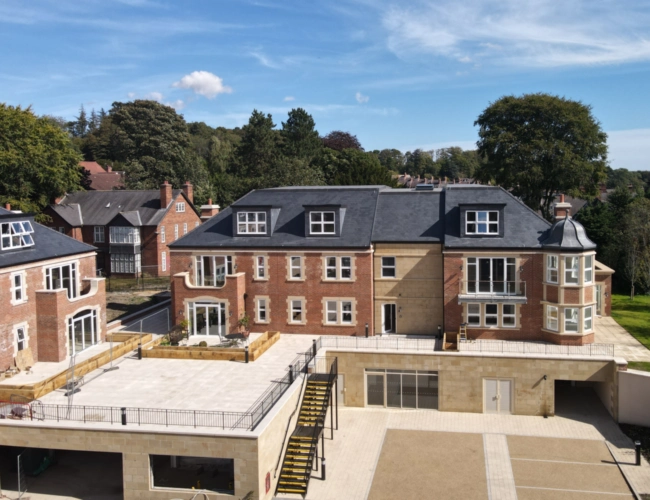
At Shoreston Hall near Bamburgh, Ida Homes has approached this principle through the restoration and conversion of a significant historic building into an exclusive collection of luxury homes. The ambition is not to imitate the past, but to carry its character forward through impeccably designed spaces made for contemporary life.
For those drawn to Northumberlandâs stone villages, historic towns and open coast, the right conversion offers more than an address. It offers the rare pleasure of living in a home with a story already written, and the comfort to make the next chapter entirely your own.