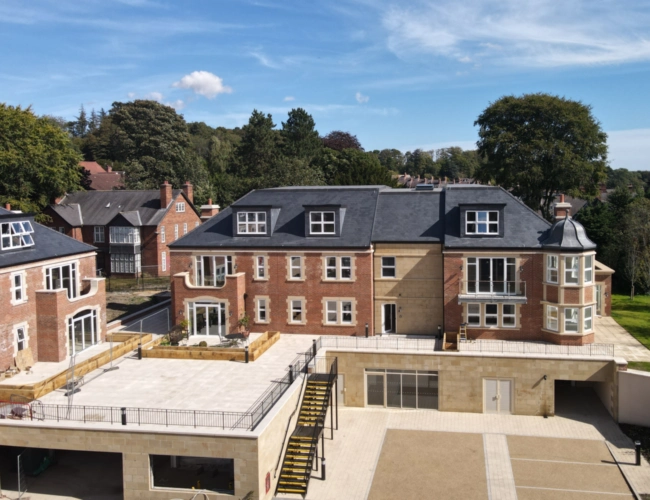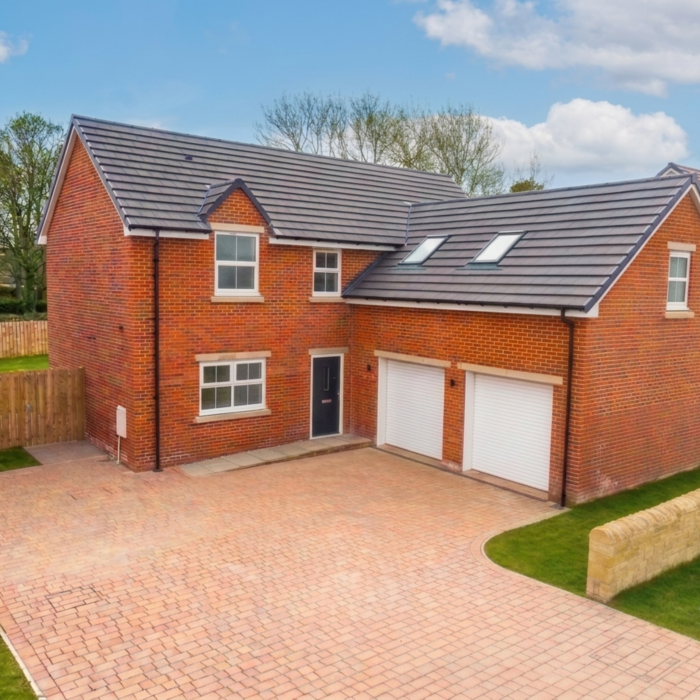
A thoughtfully designed home should feel warm on a February morning in Northumberland without relying on the heating being turned up high. That is the practical promise behind a guide to energy efficient homes: not a collection of fashionable features, but a better way to live, with steadier temperatures, lower running costs and a home that remains comfortable through changing seasons.
For buyers, energy efficiency is now rightly part of the conversation alongside location, layout and architectural character. Whether choosing a stone-built family house near the coast, a considered flat close to Morpeth town centre or a heritage conversion in the countryside, it pays to understand what makes a property perform well - and where the compromises may lie.
What makes an energy efficient home?
An energy efficient home uses less energy to deliver the conditions its residents value: warmth in winter, a pleasant indoor temperature in summer, hot water when required and good-quality light and ventilation. The strongest results do not usually come from one headline feature. They come from a considered combination of the building fabric, heating system, controls and day-to-day habits.
The building fabric is the starting point. This means the walls, roof, floors, windows and doors that separate the inside from the outside. If these elements retain heat effectively and unwanted draughts are controlled, the heating system has far less work to do. This is particularly valuable in Northumberland, where coastal winds, exposed settings and long cooler spells can test an older property.
A home also needs to breathe. Airtight construction without a proper ventilation strategy can lead to condensation, stale air and moisture problems. Well-designed homes balance controlled ventilation with insulation and draught reduction, helping to protect both comfort and the fabric of the building.
Start with the fabric, not the gadgets
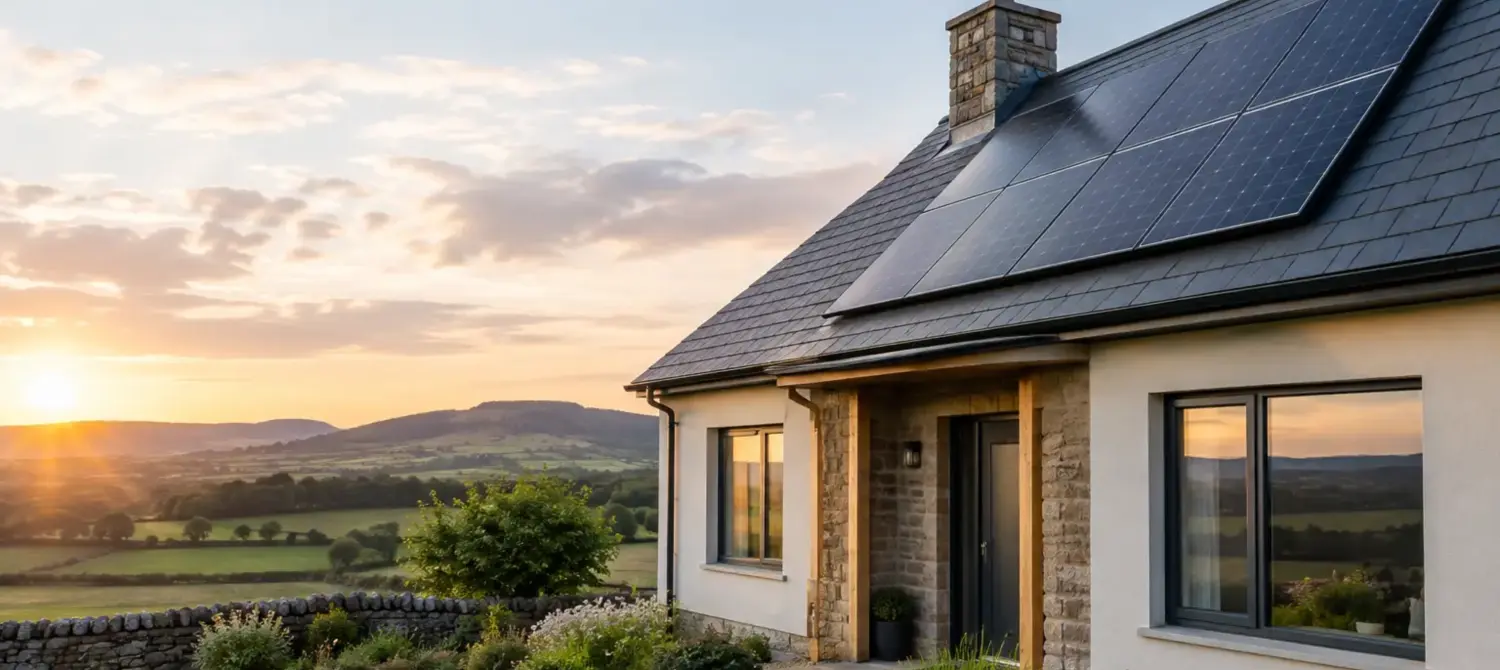
When assessing a home, it is easy to be drawn to the visible technology: solar panels, a smart thermostat or an electric vehicle charging point. These can be worthwhile additions, but insulation and airtightness should come first. Heat that is not lost does not need to be replaced.
Look closely at the roof and wall construction, the quality of windows and doors, and the detailing around openings, loft hatches and service penetrations. Modern double glazing with low-emissivity glass can reduce heat loss and improve comfort near windows. In well-designed schemes, careful orientation can also bring useful daylight into principal rooms while avoiding an over-reliance on artificial lighting.
This does not mean every property should be sealed to the same standard or altered in the same way. Historic homes require particular sensitivity. Solid stone walls, traditional joinery and listed-building considerations demand an approach that respects how the building was made. Inappropriate internal insulation or sealed finishes can trap moisture within older walls, creating expensive issues rather than solving them. For a heritage conversion, expert assessment and carefully chosen materials matter as much as the ambition to improve an EPC rating.
Heating that suits the house and the household
The most suitable heating system depends on the property, its insulation levels, the available infrastructure and how you live. A compact, highly insulated flat has very different demands from a five-bedroom house with generous living spaces and several bathrooms.
Air source heat pumps are increasingly familiar to buyers. They work efficiently at lower flow temperatures than conventional boilers and can be an excellent choice in homes designed or upgraded to retain heat well. They tend to perform best with appropriately sized radiators or underfloor heating, good controls and a household that is comfortable with steadier, longer heating cycles rather than short bursts of intense heat.
A modern gas boiler may remain practical in some locations, particularly where mains gas is available and replacement of an existing system is the immediate priority. High-quality controls, sensible zoning and effective insulation can still make a material difference to consumption. The right answer is not always the newest technology. It is the system that has been properly designed for the property and can be maintained with confidence.
Underfloor heating is valued for its discreet appearance and even warmth, especially in open-plan kitchens and living spaces. It can work well at lower water temperatures, but it is slower to respond than radiators. That suits some households perfectly and frustrates others who prefer quick adjustments. Bedrooms, guest rooms and spaces used less frequently may benefit from separate controls, so heat is delivered where it is genuinely needed.
The small details that improve daily comfort
Energy efficiency is often discussed in annual figures, yet residents experience it room by room. A well-insulated floor is noticeable when stepping into the kitchen on a cold morning. Effective glazing can make a window seat a place to enjoy rather than an area to avoid in winter. Sensible ventilation can help a bathroom dry properly after use without leaving the home feeling chilly.
Lighting deserves attention too. LED fittings use significantly less electricity than older bulbs and are now available in warm, flattering colour temperatures suited to living rooms as well as practical task lighting for kitchens and utility spaces. Where possible, a well-planned layout should use natural light to its advantage, with windows positioned for views, daylight and privacy rather than simply added as an afterthought.
Water use is another part of the picture. Efficient taps, showers and dual-flush WCs can reduce demand without making daily routines feel compromised. For larger households, however, a lower-flow shower may not be the priority if several bathrooms are used at once. Good plumbing design, suitable hot-water storage and reliable pressure should sit alongside water-saving measures.
A buyer’s guide to energy efficient homes
Energy performance certificates provide a useful starting point, but they are not the whole story. An EPC gives a standardised indication of likely energy efficiency and recommendations for improvement. It cannot fully describe how a home feels, the quality of its construction, how much sunlight it receives or how a particular household will use it.
At a viewing or appointment, ask direct questions about the specification and expected running arrangements. Enquire about insulation, glazing, heating controls, ventilation, hot-water provision and whether renewable technologies are included. If the home is newly built, establish what information will be provided at handover, including manuals, warranties and guidance on operating the heating system effectively.
It is also sensible to consider the home’s setting. Mature trees, open coastal aspects and sheltered village positions all affect daylight, wind exposure and the way a property is used across the year. A south-facing garden can be an asset, but generous glazing in a sunny room may require shading to prevent overheating in summer. Blinds, planting, external shading and opening windows safely can all form part of a more comfortable solution.
For an older home, ask what has already been improved and whether any work was carried out with the building’s age and construction in mind. A sympathetic refurbishment can preserve the character that drew you to the property while improving warmth and ease of living. A poorly judged alteration can do the opposite.
Living well with less energy
Once moved in, the most effective changes are often straightforward. Learn the controls rather than leaving the heating permanently on its default settings. Set heating zones around the household’s routine, keep furniture clear of radiators and use extractor fans during cooking and bathing. In winter, close curtains at dusk while keeping radiators unobstructed; in warmer weather, ventilate early or late in the day before the outdoor temperature rises.
Maintenance protects performance. Bleeding radiators, servicing heating equipment, cleaning extractor grilles and checking seals around windows and doors are modest tasks that can prevent larger problems. If you are planning improvements, begin with a whole-house view rather than selecting measures in isolation. An extension, new kitchen or roof repair may create an opportunity to improve insulation, glazing and ventilation together.
At Ida Homes, considered homes are shaped around the character of Northumberland and the expectations of modern life. The most successful energy efficient properties share that same principle: they respect their setting, use materials intelligently and make everyday comfort feel effortless.
A home should never ask its owners to choose between character and comfort. When the fabric is sound, the systems are well matched and the details have been properly considered, a property can offer both - quietly, reliably and through every Northumbrian season.